

Start here
What Makes the Middle School Transition Different
Next
Academic Shifts: What Changes in the Classroom
Then
Social and Emotional Changes to Expect
Apply it
How Parents Can Help Without Hovering
What Makes the Middle School Transition Different
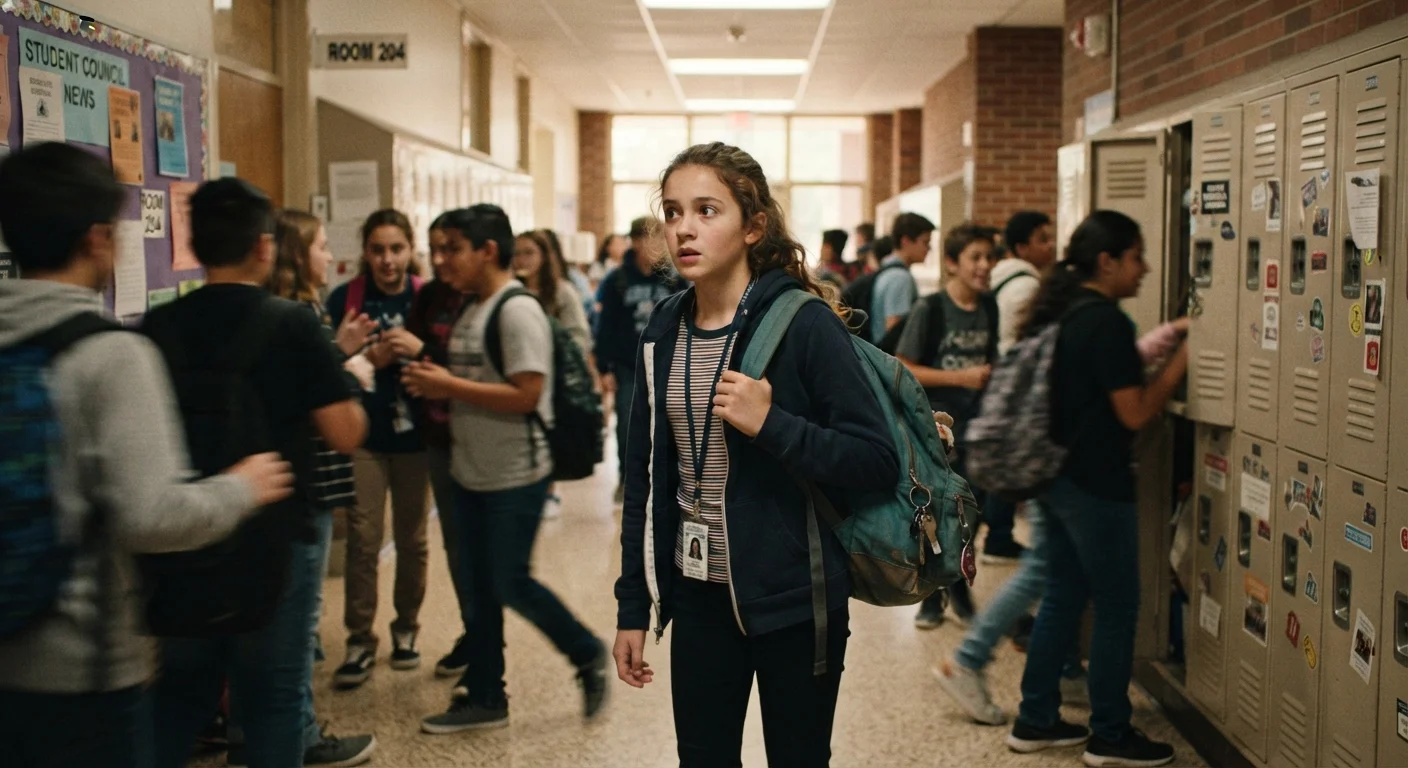
The jump from elementary to middle school is one of the most significant academic and social shifts a child will experience. Unlike the kindergarten-to-first-grade adjustment - which is also meaningful (see our guide to the kindergarten transition) - the middle school move asks children to change nearly every habit and routine they've built over six years.
Structurally, the differences are immediate. Students go from spending most of the day with one teacher in one classroom to navigating a rotating schedule with five to seven different teachers, each with their own expectations, grading styles, and homework loads. The building itself is often larger, the student body bigger, and the social landscape more complex.
Understanding these changes in advance helps families approach the transition with realistic expectations rather than alarm when things feel hard at first.
Block scheduling
A school schedule in which students attend fewer, longer classes each day rather than short periods for every subject. Some middle schools use this format.
Advisory period
A short daily or weekly session where a small group of students meets with one teacher for guidance, check-ins, and community building. Common in middle schools to ease the transition.
Content-area literacy
The ability to read and write effectively within specific subjects like science or history - not just in English class. Middle school begins emphasizing this skill across all courses.
Executive function
A set of mental skills - including planning, organization, and impulse control - that are still developing in early adolescence and are heavily tested by middle school demands.
GPA (Grade Point Average)
A numerical summary of a student's academic performance, calculated from course grades. Some middle schools begin tracking GPA, which can influence high school placement.
Academic Shifts: What Changes in the Classroom
The academic demands of middle school are meaningfully different from elementary school in several key ways:
- Multiple subjects, multiple standards: Each teacher has distinct expectations for formatting, participation, and deadlines. Students can't rely on one adult to remind them of everything.
- Longer-term assignments: Projects, research papers, and multi-week units require planning ahead - a skill that has to be practiced deliberately.
- Grades that carry weight: Many middle schools begin tracking GPA, and some advanced or honors courses can affect placement in high school. The groundwork laid here matters down the road.
- Increased reading and writing load: Content-area literacy - reading science texts, writing history essays - becomes a regular expectation across subjects.
Homework volume tends to increase, but the bigger challenge is coordination. A student might have a quiz in math, a book report due in English, and a lab write-up in science all in the same week. Managing that without a clear organizational system is genuinely difficult.
Build the Organizational Habit Early
The first few weeks of middle school are the best time to establish a planner habit. Help your child write down every assignment the night it's given, not the night before it's due. A simple weekly review - Sunday evenings work well for many families - can catch conflicts and forgotten tasks before they become crises.
Social and Emotional Changes to Expect
Academically, the shifts are significant. Socially, the changes can feel even bigger. Middle school coincides with early adolescence - a period of rapid identity development, heightened peer awareness, and growing independence from parents.
Key social dynamics to be aware of include:
- Peer relationships become central: What friends think starts to carry more weight than what parents or teachers think, which is developmentally normal - even when it's frustrating.
- Social hierarchies become more visible: Cliques, social comparison, and exclusion are real features of middle school life for many kids. Not every child will experience bullying, but most will encounter social tension of some kind.
- Identity exploration begins in earnest: Students may try on different interests, friend groups, and ways of presenting themselves. This experimentation is healthy, not erratic.
- Emotional volatility increases: Mood swings, heightened sensitivity, and moments of intense frustration are common. These are signs of normal neurological development, not a character problem.
For a deeper look at adolescent development during these years, our guide to the middle school years covers what's happening developmentally and how parents can stay connected.
How Parents Can Help Without Hovering
The most effective parental support in middle school is structured but not controlling. Children need to develop their own problem-solving muscles - and they can only do that if parents don't always solve problems for them.
Practical strategies that genuinely help:
- Create a consistent homework routine. A set time and place to work - without a phone nearby - removes decision fatigue and helps the habit stick.
- Teach organization systems, then step back. Help your child set up a planner or digital calendar, then let them manage it. Check in weekly rather than daily.
- Stay in contact with the school, not just when there's a problem. Reviewing the school portal, attending conferences, and reading teacher emails keeps you informed without putting you in the middle of every classroom situation.
- Keep communication open at home. Regular, low-pressure conversation - during dinner, in the car - gives kids space to share struggles without feeling interrogated.
- Normalize difficulty. Let your child know that middle school is hard for almost everyone. Struggling doesn't mean failing; it means learning.
The habits students develop now - in organization, self-advocacy, and time management - carry directly into high school and beyond. As you think ahead, our guide to high school course selection is a useful next step for families starting to plan that transition.
Frequently Asked Questions
Most students find their footing within the first semester, though some take the full first year. The adjustment period varies depending on the child's temperament, the school's size, and the support they receive at home and school.
A temporary dip in grades is common and doesn't necessarily signal a serious problem. The workload and structure change significantly, and many students need time to adapt their study habits. Consistent monitoring and early communication with teachers can help identify and address issues before they compound.
Encourage involvement in clubs, sports, or extracurricular activities where shared interests naturally bring peers together. Avoid pushing too hard socially - most kids form meaningful friendships on their own timeline.
Yes, this is developmentally expected. Adolescents naturally pull back from parents as they form their own identities. Respecting that need while keeping communication open is a healthy balance.
A physical planner, a shared digital calendar, or a simple homework tracker app can all work well. The key is finding a system the student will actually use, then building the habit of checking it daily.
Middle school is largely about building foundational habits - organization, study skills, and managing multiple subjects. High school raises the stakes with courses that affect transcripts and college readiness. Our <a href="/family-education/k-12-learning/high-school-course-selection-what-families-often-overlook">guide to high school course selection</a> covers what to think about as that transition approaches.
The content provided on our blog site traverses numerous categories, offering readers valuable and practical information. Readers can use the editorial team’s research and data to gain more insights into their topics of interest. However, they are requested not to treat the articles as conclusive. The website team cannot be held responsible for differences in data or inaccuracies found across other platforms. Please also note that the site might also miss out on various schemes and offers available that the readers may find more beneficial than the ones we cover.