

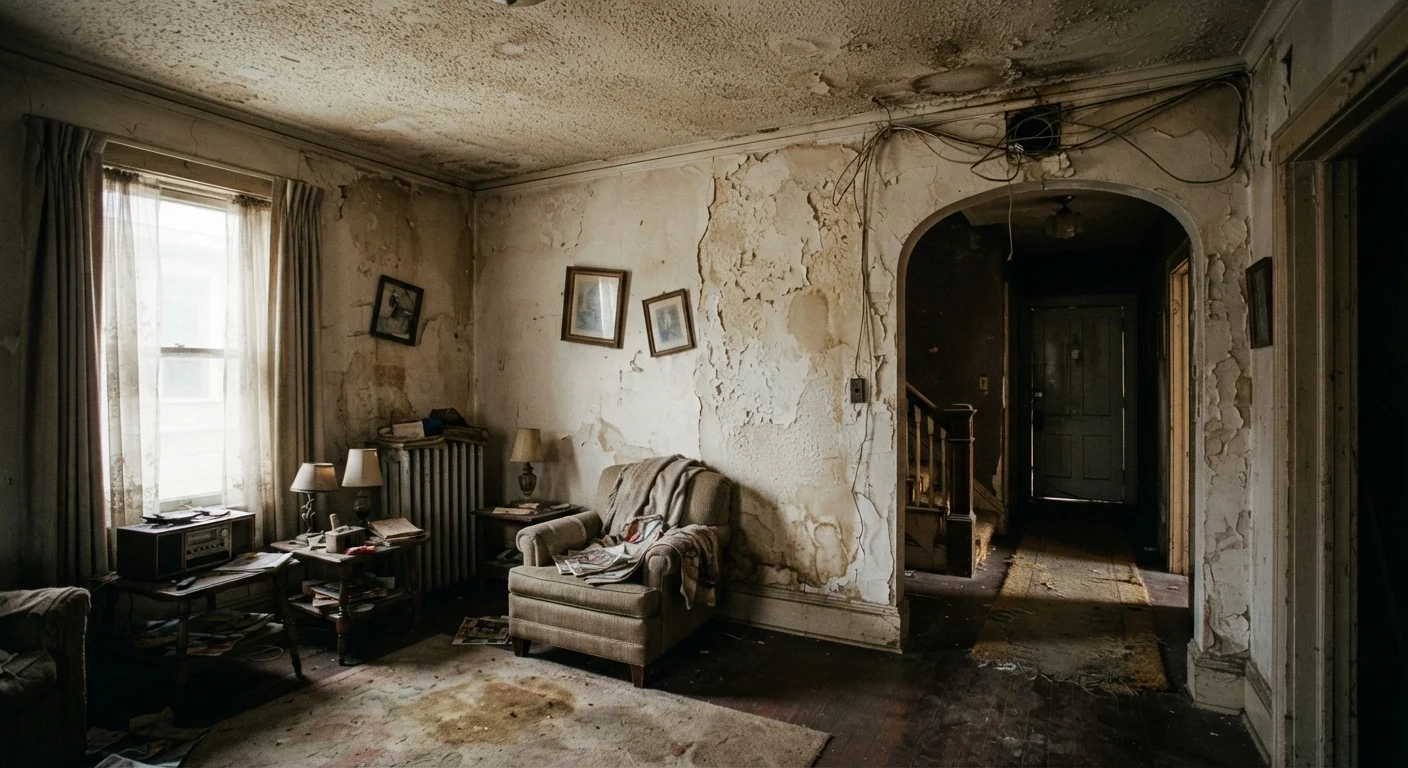
Why Older Homes Deserve a Closer Look Before Any Renovation
If your home was built before 1980, its walls, ceilings, and floors may contain materials that were standard at the time but are now understood to carry health risks. This doesn't mean the house is unsafe to live in - many of these materials remain stable for decades when undisturbed. The danger emerges during renovation: drilling, sanding, scraping, or demolishing surfaces can release particles or dust that become hazardous when inhaled or ingested.
Understanding where these materials are likely to appear - and what to do before you touch them - is one of the most important things a homeowner can do before starting any improvement project. See our pre-renovation safety checklist for a step-by-step overview of what to verify before demolition begins.
Undisturbed Materials Are Often Lower Risk
Asbestos-containing materials and lead paint that are in good condition and left completely undisturbed generally pose a lower immediate risk than materials that are deteriorating or being actively worked on. This is why many inspectors recommend monitoring and encapsulation rather than removal in some circumstances. The decision should always be made in consultation with a certified professional, not based on visual assessment alone.
Popcorn Ceilings: More Than a Style Relic
That bumpy, textured ceiling finish - commonly called popcorn, cottage cheese, or acoustic texture - was applied in millions of American homes from the 1950s through the late 1970s. Its appeal was practical: it was inexpensive, helped dampen sound, and could hide imperfect drywall work. The problem is that many of these textures were mixed with asbestos fibers, which improve fire resistance and durability.
The EPA effectively ended asbestos use in ceiling textures by 1977, but products already in the supply chain continued to be installed into the early 1980s. If your popcorn ceiling was applied before approximately 1980, it warrants professional testing before any disturbance. Scraping, sanding, or even drilling into an asbestos-containing ceiling can release microscopic fibers that lodge in lung tissue and are associated with serious respiratory diseases - including mesothelioma - often decades later.
If testing confirms asbestos is present, you have two general options: encapsulation (covering the ceiling with new drywall or a paint-on sealant) or abatement (professional removal). Encapsulation is often less disruptive and less expensive, and it may be appropriate depending on the ceiling's condition. Abatement must be done by a licensed contractor in accordance with EPA and state regulations.
Test Before You Scrape or Sand
If your home was built before 1980 and you're planning to remove or sand ceiling texture, paint, or floor tiles, arrange for professional testing first. Certified asbestos inspectors and lead risk assessors can collect samples and provide lab-confirmed results. This step typically costs far less than the health or legal consequences of disturbing hazardous materials unknowingly.
Lead-Based Paint: Still Present in Millions of Homes
Lead was a common additive in household paint for much of the twentieth century, prized for its durability and color retention. The federal government banned its use in residential paint in 1978. That means any home built before 1978 may have lead paint somewhere on its surfaces - and older homes are more likely to have multiple layers of it.
The EPA estimates that tens of millions of housing units in the United States contain lead-based paint. Lead exposure is particularly dangerous for young children, whose developing nervous systems are more vulnerable, and for pregnant individuals. Even adults face risks from sustained exposure to lead dust generated during renovation work.
Under the EPA's Renovation, Repair, and Painting (RRP) Rule, contractors hired to work in pre-1978 homes must be certified and use lead-safe work practices. These practices include containment, specialized cleaning, and proper disposal of debris. Homeowners doing their own work are not legally required to follow the RRP Rule, but taking precautions - or hiring a certified contractor - remains strongly advisable. For guidance on finding and vetting qualified help, see our article on working with contractors.
A certified lead inspector or risk assessor can test surfaces and provide a written report. If lead paint is found but is in good condition, the most common recommendation is to leave it in place and monitor it rather than disturb it.
Other Hidden Hazards Worth Knowing About
Asbestos and lead paint get the most attention, but older homes can harbor additional concerns worth flagging:
- Asbestos in other materials: Asbestos was used in floor tiles (especially 9×9 inch vinyl tiles), pipe insulation, duct wrap, roofing shingles, joint compound, and vermiculite attic insulation. Any of these materials in a pre-1980 home may contain asbestos and should be tested before removal or disturbance.
- Knob-and-tube wiring: Electrical systems installed before roughly the 1940s may include knob-and-tube wiring, which lacks a grounding conductor and can be a fire risk, particularly if insulation has been added around it. This type of wiring should be evaluated by a licensed electrician.
- Galvanized steel or lead pipes: Older plumbing systems may include galvanized pipes prone to corrosion or, in some cases, lead supply lines that can leach into drinking water. A licensed plumber can assess the system.
Navigating the permit and code requirements for remediation or repair work can add complexity to any project. Our guide on permits, inspections, and codes explains when approvals are typically required and how to approach the process.
~1978
Year lead paint was banned in US residential use
The Consumer Product Safety Commission banned lead-based paint for residential use in 1978; homes built before this date are presumed to potentially contain it.
1977
EPA effective cutoff for asbestos in ceiling textures
The EPA's 1977 ban on asbestos in textured ceiling products is the standard reference point, though existing inventory was sometimes installed into the early 1980s.
Tens of millions
US housing units estimated to contain lead-based paint
According to the EPA, a substantial portion of the existing US housing stock - particularly homes built before 1940 - is estimated to contain lead-based paint.
How to Approach Testing and Next Steps
The most important rule: test before you touch. Do not scrape, sand, drill, or demolish suspect surfaces in a pre-1980 home without first having the relevant materials evaluated by a certified professional. For asbestos, look for a certified asbestos inspector or industrial hygienist. For lead, seek an EPA-certified lead inspector or risk assessor. Your state's department of health or environmental quality typically maintains directories of certified professionals.
Once testing results are in hand, you can make informed decisions alongside qualified contractors about whether to encapsulate, remediate, or leave materials in place. Remediation projects in older homes can add time and cost to renovations, and factoring that into your planning is important. For perspective on financing approaches for such work, our overview of home improvement financing options covers the basics without the jargon.
Older homes carry tremendous character and structural value - knowing what's inside them simply helps you protect both the investment and the people who live there.
This article is for general informational purposes only and does not constitute legal, medical, or professional safety advice. Regulations governing hazardous materials vary by state and locality. Always consult a certified inspector and verify local requirements before beginning renovation work.
Frequently Asked Questions
Visual inspection alone cannot confirm asbestos. You need a sample tested by a certified asbestos inspector or an accredited laboratory. Disturbing the ceiling before testing is not recommended, as this can release fibers into the air.
Lead paint that is in good condition and left undisturbed poses a lower immediate risk than paint that is deteriorating, chipping, or about to be sanded. However, renovation work that cuts, sands, or disturbs intact lead paint can create dangerous lead dust. Testing before work begins is the safest approach.
In most states and localities, asbestos abatement must be performed by licensed professionals who follow EPA and state regulations. Attempting DIY removal is not only potentially dangerous - it may also be illegal and create costly disposal problems.
The EPA's Renovation, Repair, and Painting (RRP) Rule requires contractors working in pre-1978 housing to be EPA-certified and follow specific lead-safe work practices. Homeowners doing their own work are not subject to the RRP Rule, but are still responsible for their safety and that of others in the home.
Contact a certified asbestos inspector for asbestos concerns and an EPA-certified lead inspector or risk assessor for lead paint. Your state's environmental or health agency website typically maintains a directory of certified professionals.
Sellers are generally required to disclose known hazards, including lead paint, in homes built before 1978. The financial impact varies widely depending on the extent of the issue, local market conditions, and whether remediation has already been completed. Consult a real estate professional for guidance specific to your situation.
The content provided on our blog site traverses numerous categories, offering readers valuable and practical information. Readers can use the editorial team’s research and data to gain more insights into their topics of interest. However, they are requested not to treat the articles as conclusive. The website team cannot be held responsible for differences in data or inaccuracies found across other platforms. Please also note that the site might also miss out on various schemes and offers available that the readers may find more beneficial than the ones we cover.