

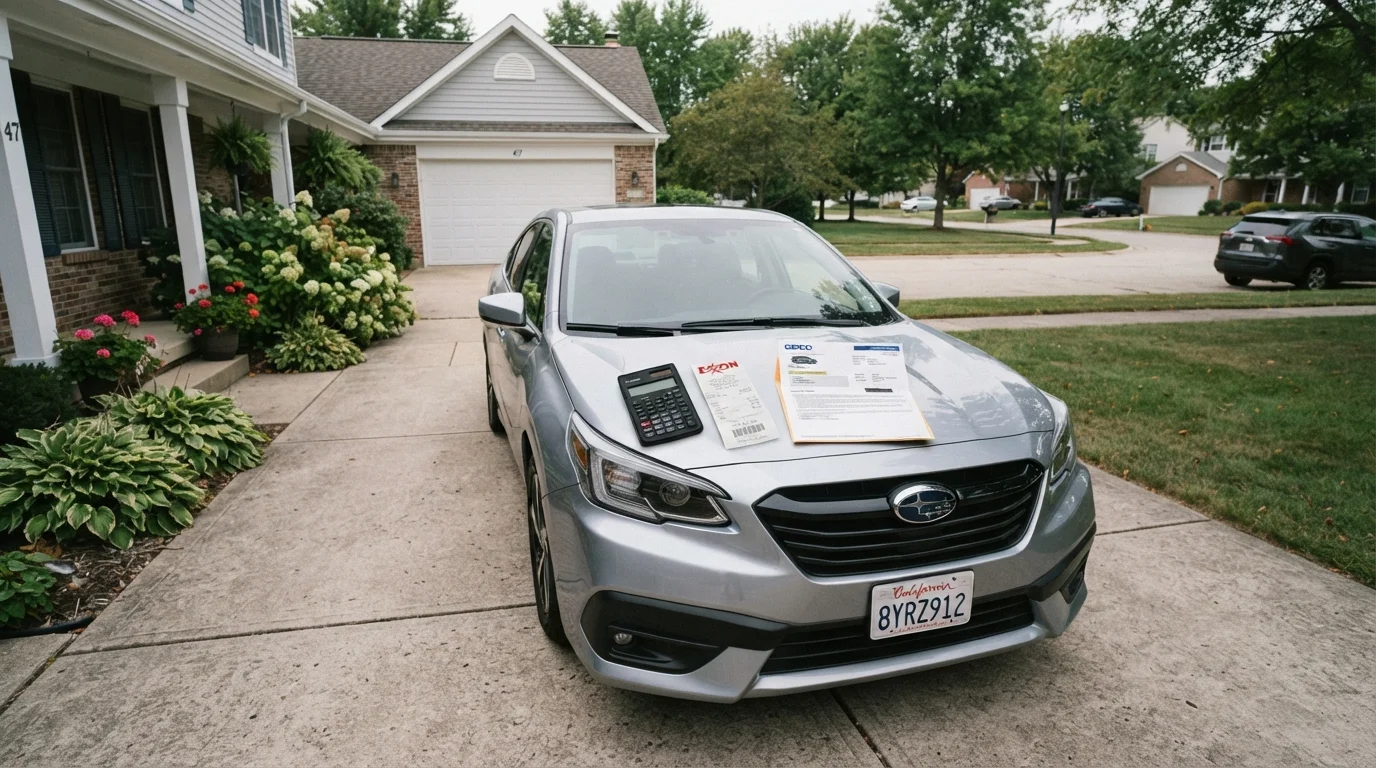
Why the Sticker Price Is Just the Starting Line
When most people think about what a car costs, they picture the monthly payment or the price on the window sticker. That number matters, but it captures only a slice of what you'll actually spend. The true cost of owning a vehicle includes a range of ongoing expenses that begin the moment you drive off the lot - and continue every month for years.
Understanding the full picture before you buy is one of the most practical steps you can take for your household finances. If you're evaluating whether to buy new or pre-owned, our look at new vs. used vehicle trade-offs covers how depreciation, warranties, and reliability factor into that comparison.
$12,000+
Estimated average annual car ownership cost
AAA's annual 'Your Driving Costs' study has consistently placed average ownership costs for a new vehicle above $10,000-$12,000 per year when all expense categories are included.
~20%
Typical first-year depreciation on a new vehicle
Industry estimates suggest new vehicles commonly lose around 15-20% of their value in the first year of ownership, with the steepest drop occurring immediately after purchase.
60-72 months
Common auto loan terms in the US
Experian's State of the Automotive Finance Market reports have shown that loan terms of 60 to 72 months are among the most common, which increases total interest paid over the loan life.
The Six Major Cost Categories Every Owner Faces
1. Depreciation
Depreciation is the reduction in your vehicle's market value over time. New vehicles often lose a meaningful portion of their value in the first year alone, with the rate slowing in later years. Because this cost doesn't arrive as a monthly invoice, it's easy to ignore - but it shows up clearly when you trade in or sell the vehicle.
2. Financing Interest
If you take out an auto loan, the interest paid over the loan term adds to your total cost. A lower interest rate and a shorter loan term reduce that figure. Longer loan terms can create a gap where you owe more than the vehicle is worth, a situation sometimes called being "upside down" on the loan.
3. Insurance
Auto insurance is required in nearly every US state, and premiums vary based on your driving record, location, vehicle type, and coverage level. Comprehensive coverage on a newer or financed vehicle typically costs more than liability-only coverage on an older, paid-off car.
4. Fuel
Your annual fuel cost depends on how many miles you drive, the vehicle's fuel efficiency, and local gas prices. Estimating this using the vehicle's EPA-rated miles per gallon and your typical annual mileage gives you a reasonable baseline.
5. Maintenance and Repairs
Routine maintenance - oil changes, tire rotations, brake service, filters - is predictable and manageable when budgeted for. Unexpected repairs are less so. Older vehicles tend to carry higher repair risk, while newer vehicles under warranty shift some of that risk to the manufacturer.
6. Registration, Taxes, and Fees
Annual registration fees, state or local taxes, and emissions or safety inspection costs are recurring expenses that vary significantly by state. These are often forgotten in initial budget planning.
Budget for the Full Monthly Cost, Not Just the Payment
Before finalizing a vehicle choice, add up your estimated loan payment, insurance premium, monthly fuel cost, and a maintenance reserve. This combined figure is what the car actually costs each month. If that total strains your budget, consider adjusting the vehicle, loan terms, or down payment rather than waiting until after you've signed.
Building a Realistic Ownership Budget
Before committing to a vehicle, it's worth estimating each cost category individually rather than focusing only on the monthly payment. Adding up insurance quotes, estimated fuel costs, maintenance allowances, and financing interest alongside the loan payment gives a far more accurate monthly figure.
This total monthly cost should fit comfortably within your household budget. For broader guidance on structuring your spending, the Budgeting Basics hub offers practical frameworks for tracking expenses and building a workable plan. If you're managing existing debt alongside a car purchase, resources on saving and debt management can help you evaluate where a car payment fits.
It's also worth reviewing what dealers may add at the signing table. Extended warranties, gap insurance, and paint protection packages all carry costs that affect your total. Our breakdown of common dealership add-ons explains what each one is and how to evaluate whether it makes sense for your situation.
Making an Informed Decision
Knowing the full cost of ownership doesn't mean avoiding cars - it means choosing a vehicle and financing structure that genuinely fits your life. A vehicle that looks affordable on the sticker may carry high insurance costs, low fuel efficiency, or expensive maintenance needs that push the real monthly cost well above expectations.
Some common assumptions about the car-buying process can also lead households to overpay or commit to unfavorable terms. Our article on car-buying myths that cost real money separates fact from fiction on issues like sticker price negotiation and loan term strategy.
The goal is to walk into any vehicle purchase with a clear-eyed view of what you're committing to - monthly, annually, and over the full time you plan to own the vehicle.
This article is for general informational purposes only and does not constitute financial or legal advice. Readers should consult a qualified financial professional for guidance specific to their personal circumstances.
Frequently Asked Questions
Industry research consistently places average annual vehicle ownership costs above $10,000 when depreciation, insurance, fuel, maintenance, and financing are included. Costs vary based on vehicle type, mileage, location, and driving habits, so individual totals can differ substantially from averages.
For many owners, yes - especially in the first few years. A new vehicle can lose a significant portion of its value within the first 12 months. Over a five-year period, depreciation often accounts for the largest share of total ownership cost.
Start with the loan payment and then research insurance quotes, average fuel costs at your expected mileage, and typical maintenance schedules for the vehicle you're considering. Factor in registration fees and any financing interest. Adding these up monthly gives a realistic picture of what you'll actually spend.
It often does, primarily because used vehicles have already absorbed the steepest depreciation. However, maintenance and repair costs can be higher on older vehicles, and financing rates are sometimes less favorable. The full trade-off is worth examining carefully.
Registration renewal fees, emissions and safety inspection costs, parking fees, and loan interest are frequently underestimated. Depreciation is also commonly ignored because it's not a bill you receive - it shows up only when you sell or trade in the vehicle.
Longer loan terms lower your monthly payment but increase the total interest paid over the life of the loan. They also raise the risk of being "underwater" - owing more on the loan than the car is worth - which limits your flexibility if you need to sell.
The content provided on our blog site traverses numerous categories, offering readers valuable and practical information. Readers can use the editorial team’s research and data to gain more insights into their topics of interest. However, they are requested not to treat the articles as conclusive. The website team cannot be held responsible for differences in data or inaccuracies found across other platforms. Please also note that the site might also miss out on various schemes and offers available that the readers may find more beneficial than the ones we cover.