

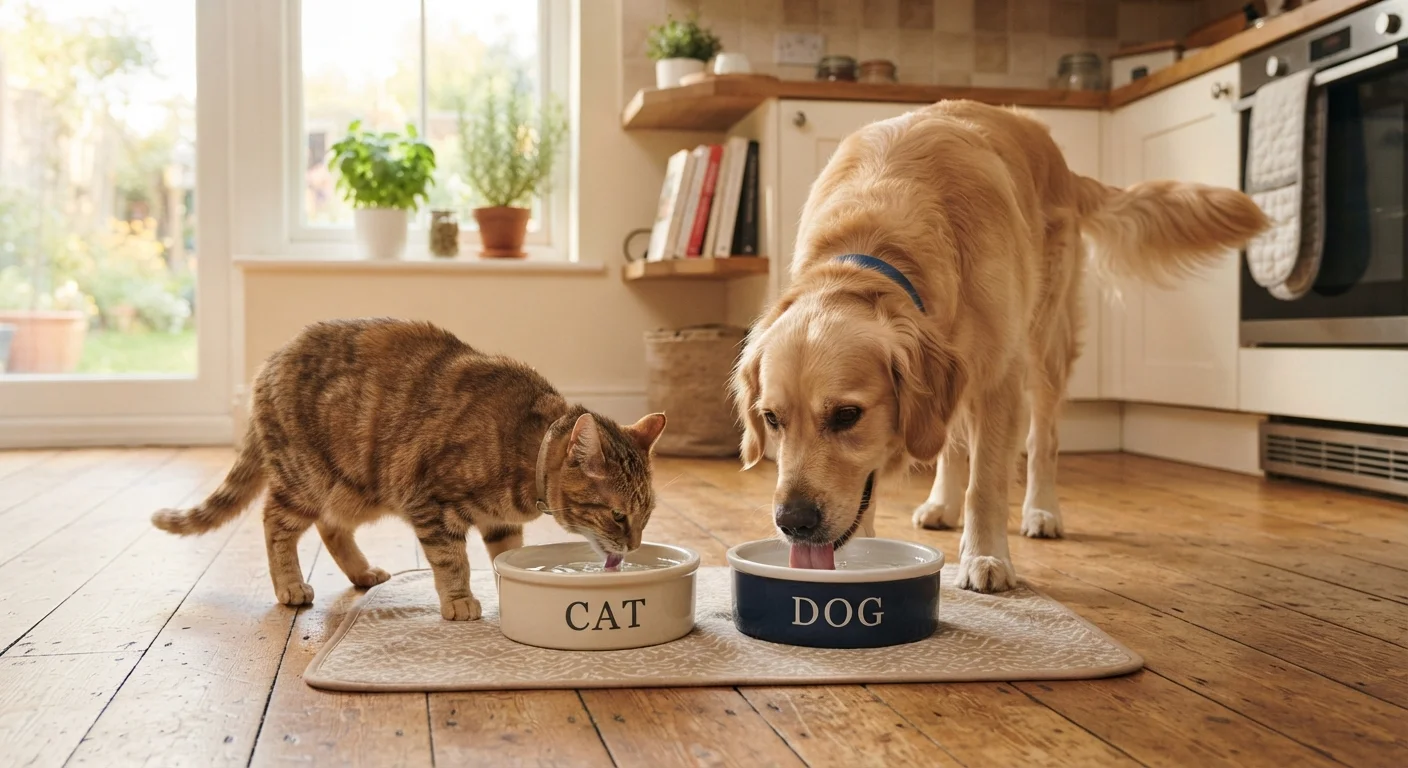
Why Water Is Central to Pet Health
Water isn't just one component of your pet's care routine — it's the foundation that makes every other biological process possible. In dogs and cats, water acts as the primary medium for transporting nutrients to cells, removing metabolic waste through urine and feces, regulating core body temperature, and cushioning joints and organs.
The kidneys, in particular, depend heavily on adequate hydration. These organs filter blood continuously, concentrating waste into urine for elimination. When fluid intake is insufficient, the kidneys must work harder to maintain concentration, which over time can contribute to chronic kidney disease — one of the most common conditions in older cats and dogs. As explained in our guide to aging pet care, senior animals face heightened risks from even mild chronic dehydration.
Hydration also directly supports digestive health. Water softens food matter moving through the gastrointestinal tract, supports enzyme activity, and helps prevent constipation. Pets that consistently under-drink may develop harder stools and more frequent digestive discomfort.
70–80%
Moisture content in wet/canned pet food
Veterinary nutrition guidelines note that wet food contributes substantially to daily fluid intake, particularly for cats with low voluntary water consumption.
2–5%
Body weight loss that triggers dehydration effects
Even mild dehydration at this level can impair organ function and behavioral alertness in both dogs and cats, according to veterinary physiology references.
~1 oz/lb
Approximate daily water guideline for dogs
This commonly cited veterinary benchmark varies based on diet, activity, and health status and should be confirmed with a veterinarian for individual animals.
The Cat Hydration Problem
Cats present a unique challenge when it comes to hydration. Domestic cats descended from desert-dwelling ancestors who obtained most of their moisture from prey rather than standing water sources. This evolutionary background means cats have a naturally low thirst drive and do not instinctively seek water the way dogs do.
The result is that many cats living on dry kibble diets are in a state of mild, chronic under-hydration without showing obvious symptoms. Research in veterinary medicine has connected low fluid intake in cats to higher rates of urinary tract disease, bladder crystals, and kidney dysfunction. This is one reason many veterinarians recommend wet food as part or all of a cat's diet.
The type and placement of water sources also matters. Cats often prefer running water over still water in a bowl, possibly because movement signals freshness in a survival context. Placing water bowls away from food dishes and litter boxes, and offering multiple sources around the home, can meaningfully increase voluntary intake. Our overview of indoor vs. outdoor cat health explores how environment shapes feline wellness more broadly.
Simple Ways to Encourage Your Cat to Drink More
Try placing water bowls in multiple rooms, away from food dishes and litter boxes. Running-water fountains appeal to many cats' instinct to seek fresh sources. Adding a small amount of low-sodium broth to water can also make it more enticing — but check with your vet before making any regular dietary additions.
Recognizing Dehydration and What Affects Daily Intake
Dehydration exists on a spectrum, and mild cases are easy to miss. Common signs include lethargy or reduced playfulness, dry or sticky gums, eyes that appear sunken, and a reduction in urination frequency or output. A commonly cited home check is the skin turgor test — gently pinching the skin at the back of the neck and observing how quickly it returns to its normal position. In a well-hydrated pet, skin snaps back immediately; in a dehydrated pet, it returns slowly or holds a tent shape.
Several factors influence how much water a pet needs on any given day. These include body size, activity level, ambient temperature and humidity, diet type (dry vs. wet food), and health status. Pets on certain medications, those with kidney disease or diabetes, and those recovering from illness or surgery typically have higher fluid requirements and need closer monitoring.
One often-overlooked factor is water freshness. Pets are sensitive to the smell and taste of water, and many will reduce their intake if a bowl sits untouched for hours and accumulates bacteria or absorbs odors. Daily — or more frequent — bowl changes and thorough cleaning with soap and water every few days are simple steps that support consistent drinking habits. This kind of attentive home care is part of what our overview of common home care gaps addresses.
This article provides general educational information about pet hydration and is not a substitute for advice from a licensed veterinarian. If your pet shows signs of dehydration or you have concerns about their fluid intake, consult a veterinary professional.
Frequently Asked Questions
A general guideline is approximately one ounce of water per pound of body weight daily, though activity level, diet, and temperature affect this. A 50-pound dog may need around 50 ounces on an average day. Dogs eating dry kibble typically need more water than those eating wet food.
Cats evolved in arid environments and have a naturally low thirst drive, often ignoring still water. Many cats prefer running water, which may smell less stagnant to them. Trying a pet water fountain, switching to wet food, or placing multiple bowls in different locations can help increase intake.
Key signs include lethargy, dry or tacky gums, sunken-looking eyes, and reduced skin elasticity — when gently pinched, dehydrated skin is slow to return to its normal position. If you notice these signs, contact your veterinarian rather than attempting home treatment.
In most US municipalities, treated tap water is considered safe for pets. However, water quality varies by location, and some owners choose filtered water as a precaution. If you have concerns about your local water supply, consult your veterinarian or check your municipality's water quality reports.
Yes. Wet or canned pet food typically contains 70–80% moisture, which contributes meaningfully to daily fluid intake. Pets eating exclusively dry kibble generally need to drink more water to compensate for the lower moisture content of their food.
Senior pets often have reduced kidney efficiency and may be on medications that affect fluid balance, making adequate hydration more critical. At the same time, some older animals drink less due to reduced activity or cognitive changes. Regular veterinary monitoring is important for aging pets.
The content provided on our blog site traverses numerous categories, offering readers valuable and practical information. Readers can use the editorial team’s research and data to gain more insights into their topics of interest. However, they are requested not to treat the articles as conclusive. The website team cannot be held responsible for differences in data or inaccuracies found across other platforms. Please also note that the site might also miss out on various schemes and offers available that the readers may find more beneficial than the ones we cover.