

Option A
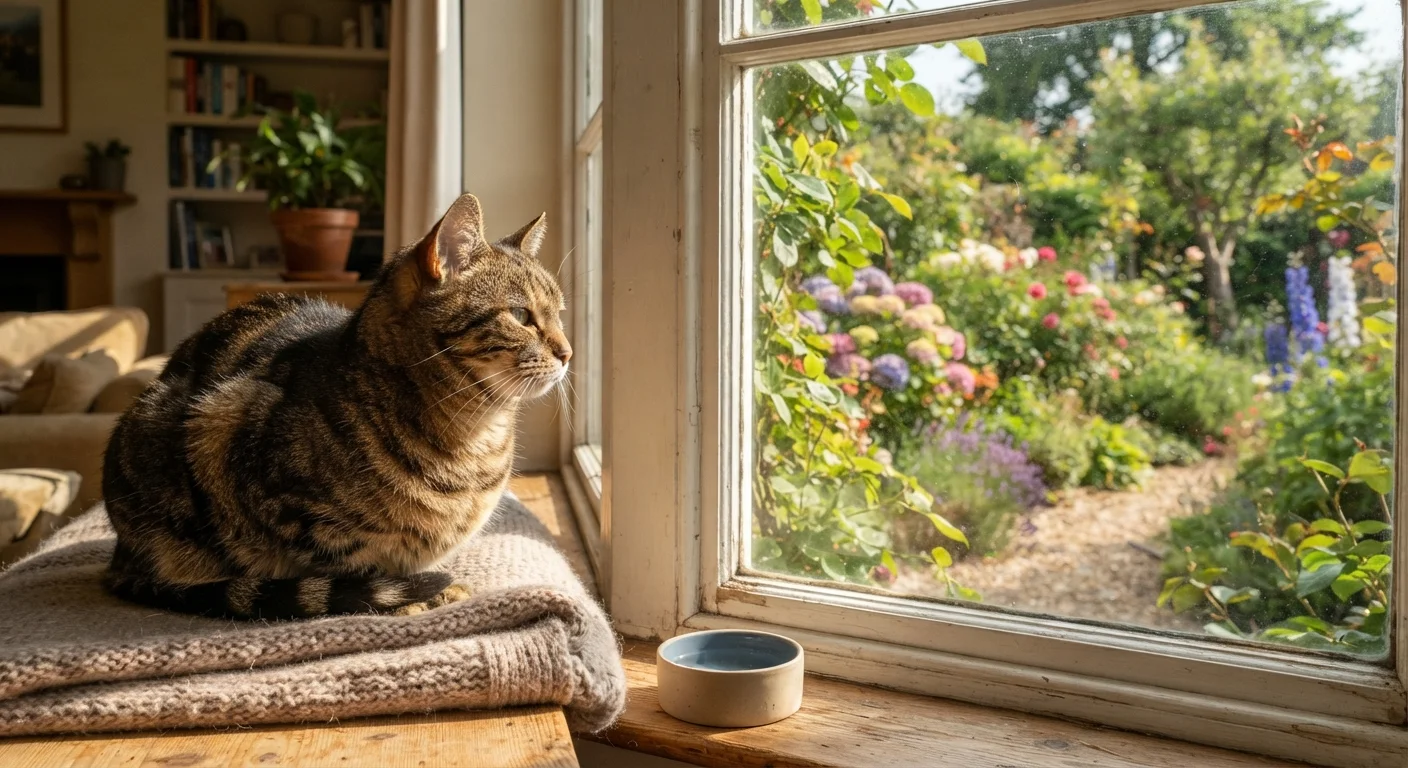
Indoor Cats
The protected, controlled-environment companion.
Best for: Owners who want to minimize exposure to external dangers and manage their cat's health environment closely.
Option B
Outdoor Cats
The independent, environment-engaged explorer.
Best for: Cats with strong roaming instincts living in lower-risk areas, with owners committed to robust preventive care routines.
How Lifestyle Shapes Long-Term Health
The choice between keeping a cat indoors or allowing outdoor access isn't just a matter of preference — it directly influences lifespan, injury risk, disease exposure, and behavioral wellbeing. According to general estimates cited by veterinary organizations, indoor cats have a median lifespan significantly longer than their outdoor counterparts, largely because they avoid trauma, predators, and contagious illness. That said, longevity alone doesn't tell the full story.
Outdoor cats face a broader range of physical threats: vehicle strikes, attacks from other animals, exposure to parasites like fleas, ticks, and intestinal worms, and contact with infectious diseases such as feline leukemia virus (FeLV) and feline immunodeficiency virus (FIV). These risks are real and cumulative. Owners of outdoor cats typically need more intensive preventive care schedules — more frequent parasite control, additional vaccinations, and heightened vigilance around wounds or behavioral changes.
Indoor cats aren't risk-free, however. A sedentary indoor lifestyle combined with unrestricted caloric intake is a common driver of feline obesity, which carries its own cascade of health concerns. Mental stimulation gaps can also contribute to anxiety, compulsive behaviors, or chronic stress — outcomes that are sometimes underestimated. See our common cat misconceptions debunked for more on how indoor cats' needs are often overlooked.
| Criterion | Indoor Cats | Outdoor Cats |
|---|---|---|
| Average lifespan | Generally longer (10–15+ years) | Generally shorter (5–7 years, varies) |
| Injury risk | Low | Higher (trauma, fights, vehicles) |
| Parasite exposure | Minimal | High (fleas, ticks, worms) |
| Infectious disease risk | Low | Higher (FeLV, FIV, URI) |
| Obesity risk | Higher without enrichment | Lower due to physical activity |
| Behavioral stimulation | Requires deliberate enrichment | Naturally higher |
| Preventive care intensity | Moderate | Higher; more frequent monitoring |
| Vaccine requirements | Core vaccines recommended | Core plus lifestyle vaccines (e.g., FeLV) |
Preventive Care Priorities by Lifestyle
For outdoor cats, preventive care is the primary line of defense. Year-round flea and tick prevention is generally recommended, along with regular deworming. Core vaccines (rabies, FVRCP) are essential, and veterinarians often also recommend the FeLV vaccine for cats with outdoor exposure. Routine checkups should include screening for wounds or abscesses, which can appear after territorial encounters and become infected quickly.
For indoor cats, the preventive focus shifts toward weight management, dental health, and environmental enrichment. Obesity is among the most common feline health problems and is largely preventable through portion control and activity. Interactive play that mimics hunting behavior — wand toys, puzzle feeders — helps indoor cats meet instinctual needs. Even basic grooming habits matter more indoors, since cats don't naturally shed debris through outdoor movement. Our guide to home grooming tasks covers what owners can manage themselves and what's better left to professionals.
10–15+ yrs
Typical indoor cat lifespan
Veterinary organizations commonly cite indoor cats living significantly longer than outdoor cats, primarily due to reduced exposure to environmental hazards.
~50%
US cats estimated overweight or obese
The Association for Pet Obesity Prevention has reported that roughly half of domestic cats in the US are classified as overweight or obese, a condition strongly linked to sedentary indoor lifestyles without adequate activity.
2–3x
Higher FeLV risk for outdoor cats
Cats with outdoor access are estimated to face meaningfully higher exposure risk for feline leukemia virus due to contact with other cats, according to general veterinary guidance.
Both groups benefit from annual veterinary exams and transparent communication with a vet about their cat's specific lifestyle, behavioral patterns, and any environmental changes. Owners who are attentive between visits are better positioned to catch issues early — a habit worth cultivating regardless of lifestyle. Our article on what pet owners often get wrong between vet visits outlines the most common gaps in at-home care.
Finding the Right Balance for Your Cat
Many owners find that a strict indoor/outdoor binary doesn't fit their cat's needs. Supervised outdoor sessions, leash walks with a harness, or enclosed outdoor structures (often called catios) allow cats to experience fresh air, natural stimulation, and sensory variety while keeping them protected from the highest-risk threats. This middle path works especially well for cats that show persistent interest in the outdoors or display stress behaviors when fully confined.
A cat's history matters too. A cat raised entirely indoors from kittenhood is generally well-adapted to that environment and may not benefit from sudden outdoor access. Conversely, a former stray forced into full-time indoor living may struggle behaviorally. Consulting a veterinarian — and, when needed, a veterinary behaviorist — can help owners make a more individualized decision rather than defaulting to a one-size-fits-all approach.
Transitioning an Outdoor Cat Indoors
If you decide to bring an outdoor cat inside permanently — due to a move, safety concerns, or a vet's recommendation — expect an adjustment period. Cats are territorial and routine-dependent, so the transition can cause temporary stress. Gradual introduction, environmental enrichment, and patience are key. A veterinarian or veterinary behaviorist can provide guidance tailored to your cat's specific history and temperament.
Whatever lifestyle you choose, the fundamentals remain the same: consistent preventive care, a nutritionally appropriate diet, mental and physical stimulation, and attentive observation. Those pillars serve cats far better than any single lifestyle label.
The content provided on our blog site traverses numerous categories, offering readers valuable and practical information. Readers can use the editorial team’s research and data to gain more insights into their topics of interest. However, they are requested not to treat the articles as conclusive. The website team cannot be held responsible for differences in data or inaccuracies found across other platforms. Please also note that the site might also miss out on various schemes and offers available that the readers may find more beneficial than the ones we cover.