

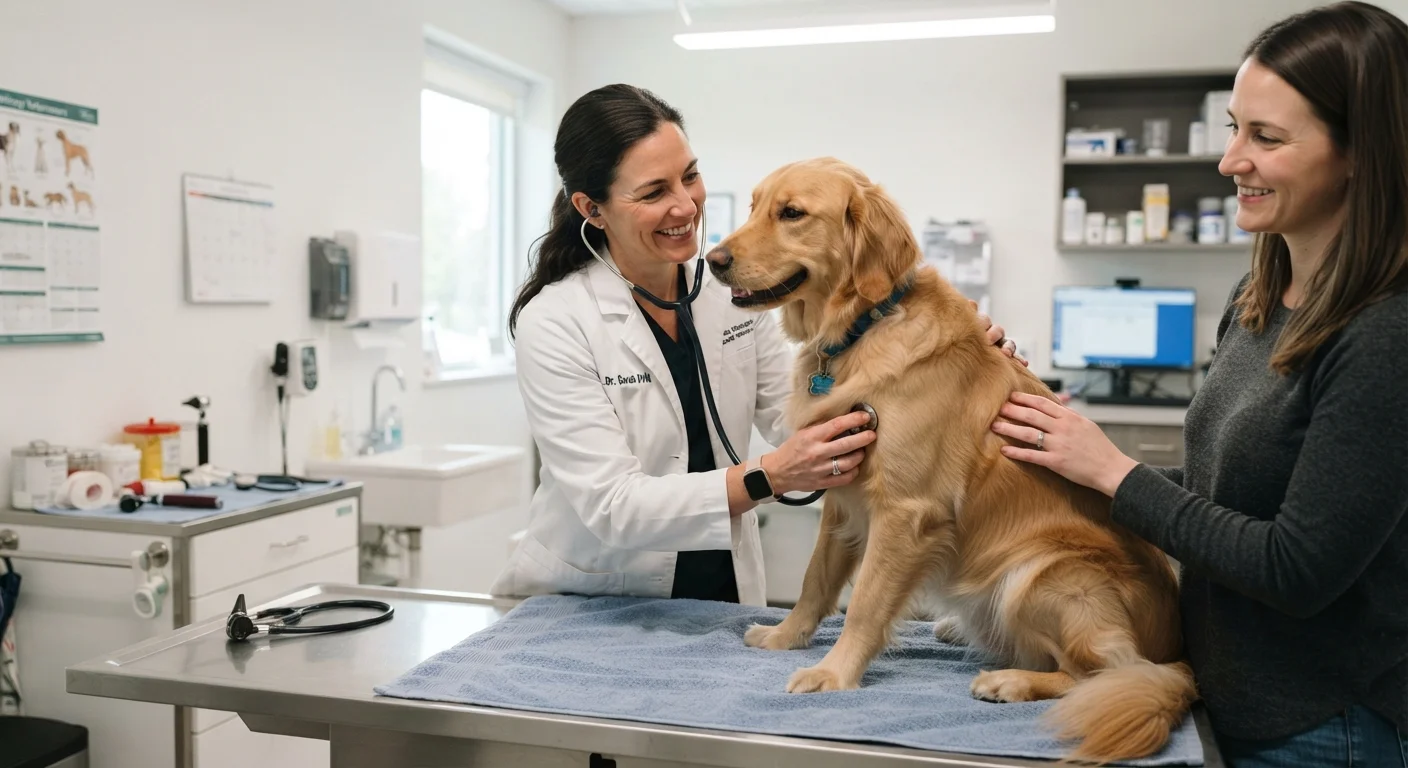
More Than a Quick Checkup
Many pet owners think of an annual wellness visit as a formality — a quick once-over followed by whatever vaccines are due. In practice, a thorough wellness exam is one of the most information-rich appointments in your pet's healthcare year. Vets use it to build a running health profile, spot gradual changes, and have conversations that can genuinely extend your pet's quality of life.
Understanding what actually happens during that appointment — and why each element matters — helps you show up as a more informed advocate for your animal. It also helps you use the visit's limited time more effectively. For a broader look at how annual exams fit into a lifelong care plan, see our guide to preventive pet care across life stages.
~70%
Adult pets affected by dental disease
The American Veterinary Medical Association estimates that most dogs and cats show signs of periodontal disease by age three, making oral assessment a critical part of every wellness exam.
1 in 7
Dogs testing heartworm positive in some US regions
Prevalence data from the American Heartworm Society shows significant regional variation, underscoring why parasite prevention review at annual visits is adjusted to local risk.
2x
Recommended exam frequency for senior pets
Many veterinary guidelines suggest twice-yearly wellness visits for dogs and cats over age seven, reflecting the faster rate of age-related health changes in older animals.
The Head-to-Tail Physical Exam
The physical examination is the backbone of every wellness visit. Working systematically from nose to tail, your vet assesses each body system for signs of abnormality, even subtle ones that wouldn't yet cause visible symptoms at home.
- Eyes and ears: Checked for discharge, redness, cloudiness, odor, or early signs of infection and age-related changes.
- Mouth and teeth: The vet looks for tartar accumulation, gum inflammation, loose or fractured teeth, and oral masses. Periodontal disease affects the majority of adult pets and is frequently caught here first — a topic covered in depth in our article on dental health in dogs and cats.
- Skin and coat: Assessed for parasites, unusual lumps, hair loss, and skin condition — often reflecting internal health as much as external.
- Heart and lungs: Auscultation (listening with a stethoscope) helps detect murmurs, arrhythmias, and abnormal lung sounds before they become symptomatic.
- Abdomen: Palpation checks organ size and detects discomfort, masses, or fluid accumulation that imaging would be needed to evaluate further.
- Lymph nodes and musculoskeletal system: Swollen lymph nodes can signal infection or immune response; joint stiffness or muscle loss is assessed, particularly in older pets.
Write Down Changes Before the Appointment
Keep a simple running note on your phone between visits — anything unusual about eating, drinking, bathroom habits, energy, or behavior. Even minor observations can be clinically significant when shared with your vet. A brief list takes moments to prepare and meaningfully improves what your vet can assess in the time available.
Weight, Nutrition, and Behavioral Health
Body weight and condition score are measured at every visit and compared against your pet's own history — not just a generic chart. Gradual weight gain or loss over months is easy to miss at home but immediately visible when plotted against prior records. Your vet may ask about feeding amounts, food type, treats, and activity level, all of which inform whether a dietary adjustment is warranted.
Behavioral changes — increased thirst, altered sleep, new anxiety, or changes in litter box habits — are also worth discussing even if they seem minor. Many reflect underlying medical changes that the physical exam can then investigate. Owners who come prepared with specific observations tend to leave with more actionable guidance; our vet visit preparation checklist can help you organize your notes beforehand.
Vaccines, Parasite Prevention, and Diagnostic Screening
Vaccination status is reviewed at each visit and updated based on your pet's risk profile — their lifestyle, geographic region, and prior history. Not every vaccine is appropriate for every pet, and schedules vary significantly between indoor cats, outdoor dogs, and animals with specific exposure risks. Our explainer on core vs. non-core pet vaccines breaks down how vets make those decisions.
Parasite prevention — covering fleas, ticks, heartworm, and intestinal parasites — is also revisited annually. A fecal exam is often requested to screen for intestinal parasites even in pets that appear healthy. For middle-aged and older animals, vets commonly recommend baseline bloodwork: a complete blood count and chemistry panel that flags kidney function, liver values, blood sugar, and more. These results become a reference point for detecting future changes early.
Getting the Most From Every Visit
A wellness visit is a two-way conversation, not a passive inspection. The more specific information you bring — recent changes in appetite, stool consistency, energy, or behavior — the more your vet can do with the time available. Avoid vague summaries; concrete observations are far more useful clinically.
It's also worth asking about what to watch for before the next visit, whether any lifestyle adjustments are recommended, and when follow-up screening would be appropriate. Pets that receive consistent annual care tend to have better-documented health histories, which makes every subsequent visit more informative. For tips on home care between appointments, our article on common home care mistakes between vet visits is a useful companion read.
This article is for general informational purposes only and is not a substitute for professional veterinary advice. Always consult a licensed veterinarian for guidance specific to your pet's health needs.
Frequently Asked Questions
A vet performs a systematic head-to-tail physical assessment covering eyes, ears, teeth, skin, coat, lymph nodes, heart, lungs, abdomen, and musculoskeletal condition. They also review weight, body condition score, and any behavioral changes you've noticed. The exam is more thorough than most owners expect from a routine appointment.
Most healthy adult dogs and cats benefit from an annual wellness exam. Puppies, kittens, and senior pets typically need more frequent visits — often every six months — because their health can change more rapidly. Your veterinarian will recommend a schedule based on your pet's age, species, and health status.
Routine bloodwork is not always included automatically but is commonly recommended, especially for middle-aged and senior pets. A basic wellness panel typically checks organ function, red and white blood cell counts, and blood glucose. Your vet will advise whether it's appropriate for your pet's age and history.
Many serious conditions — including dental disease, kidney changes, and early tumors — show few visible signs until they are well advanced. Annual exams give vets the opportunity to identify these issues before symptoms appear, making treatment more effective and often less costly. Skipping visits means missing that early-detection window.
Bring any prior vaccination records if you're visiting a new clinic, a fresh stool sample for parasite screening, and a list of any medications or supplements your pet takes. See our <a href="/pets-animals/pet-health-wellness/preparing-for-your-pets-vet-visit-what-to-bring-and-what-to-ask">preparation guide</a> for a full checklist of what to bring and ask.
The wellness exam includes a visual assessment of your pet's teeth and gums, but it is not a dental cleaning. If the vet identifies tartar buildup, gum inflammation, or other concerns, they will recommend a separate professional dental procedure. Early detection at wellness visits is one of the main ways dental disease is caught before it becomes serious.
The content provided on our blog site traverses numerous categories, offering readers valuable and practical information. Readers can use the editorial team’s research and data to gain more insights into their topics of interest. However, they are requested not to treat the articles as conclusive. The website team cannot be held responsible for differences in data or inaccuracies found across other platforms. Please also note that the site might also miss out on various schemes and offers available that the readers may find more beneficial than the ones we cover.