

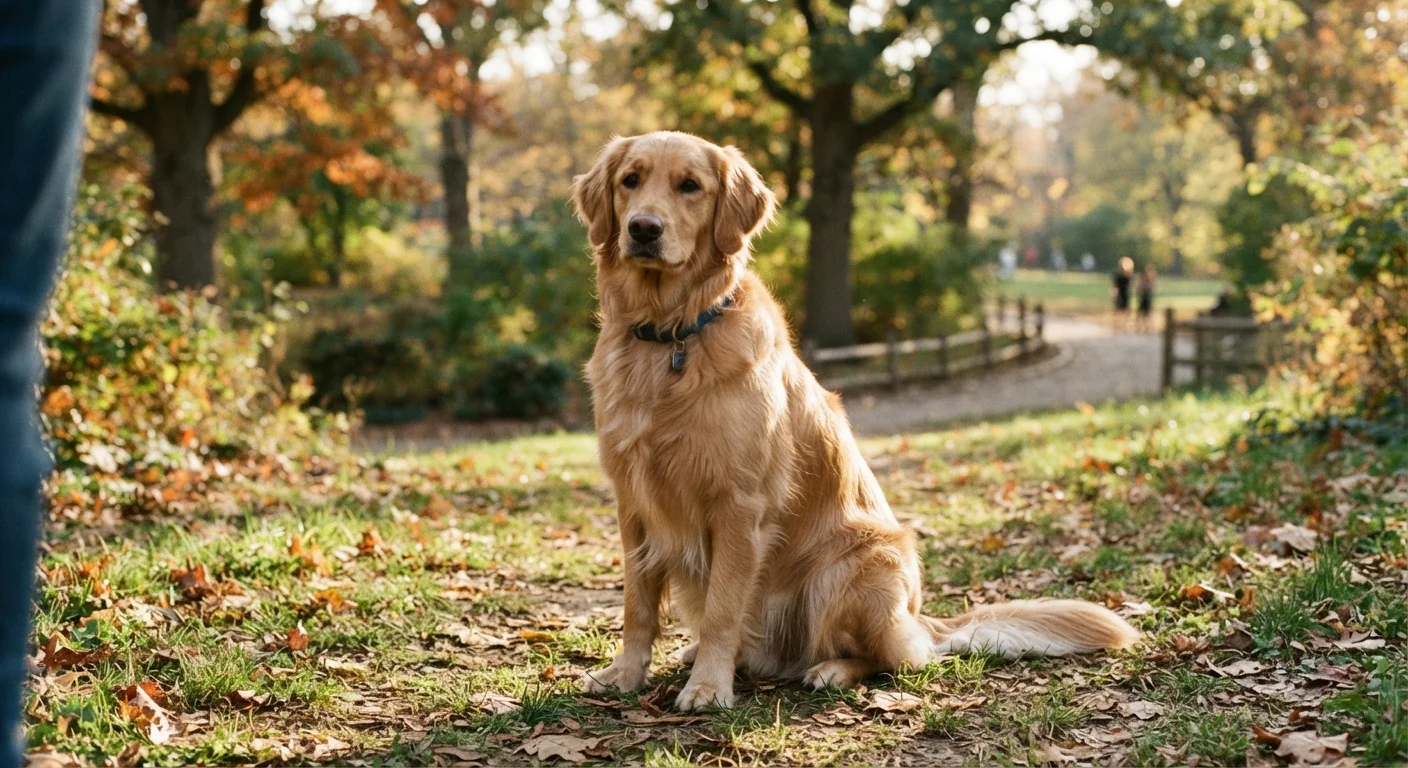
Why Canine Body Language Matters
Dogs communicate almost entirely through body language. While vocalizations like barking or whining carry some meaning, the clearest signals come from posture, tail position, ear set, facial tension, and eye shape — and these signals appear constantly, whether your dog is relaxed, anxious, or aroused.
Reading these cues accurately helps you respond in ways that build trust rather than accidentally escalate stress. It also lets you intervene early when a dog is becoming uncomfortable — long before growling or snapping occurs. For owners working on socializing a puppy or establishing routines with a new dog, recognizing these signals early is especially valuable.
No single signal tells the whole story. Always read clusters of signals together and in context.
| Primary communication channel | Body language (posture, facial expression, tail, ears) |
| Most reliable stress signal | Whale eye — visible whites of the eyes |
| Clearest play invitation | Play bow — front end lowered, rear end raised |
| Common misread signal | Tail wagging — can indicate arousal, not just happiness |
| Key reading rule | Always read clusters of signals, never one in isolation |
| When to consult a professional | Frequent growling, sudden behavioral changes, or recurring fear signals |
Signal-by-Signal Reference Guide
Tail
- High and stiff: Arousal or assertiveness — not necessarily aggression, but heightened alertness.
- Low or tucked: Fear, submission, or anxiety.
- Neutral mid-height wag: Relaxed and friendly. A loose, circular wag often signals genuine happiness.
- Rapid, high wag with stiff body: Overstimulation or conflict — proceed carefully.
Ears
- Soft and relaxed (natural position): Calm and comfortable.
- Pinned flat against the head: Fear or appeasement.
- Forward and erect: Alert, curious, or focused.
Eyes
- Soft, almond-shaped with normal pupils: Relaxed.
- Hard stare with wide pupils: Intense arousal or a potential warning.
- Whale eye (whites visible): Stress or discomfort — a reliable early warning signal.
- Slow blink, looking away: Deference or an attempt to de-escalate.
Mouth and Face
- Loose, slightly open mouth: Relaxed.
- Lips pulled back to expose teeth: Threat display — context matters greatly.
- Yawning outside of sleepiness: A calming signal indicating stress or an attempt to self-soothe.
- Lip licking when not near food: Appeasement or mild anxiety.
Posture and Weight Distribution
- Weight shifted forward: Confidence, curiosity, or assertion.
- Weight shifted back or body lowered: Fear, submission, or uncertainty.
- Play bow (front end down, rear end up): An invitation to play — one of the clearest positive signals dogs give.
- Body rolling onto back: Can mean submission or, in a relaxed dog, an invitation for belly rubs — context and facial expression clarify which.
Calming signals
Behaviors dogs use to communicate that they are not a threat and to reduce tension in social situations. Common examples include yawning, lip licking, turning the head away, and slow blinking.
Whale eye
When the whites of a dog's eyes (the sclera) are visible, often caused by the dog turning their head while keeping their gaze fixed. It reliably indicates stress or discomfort.
Arousal
A heightened state of mental and physical activation. An aroused dog is not necessarily aggressive, but may be less able to respond to cues and more likely to react impulsively.
Appeasement behavior
Actions a dog takes to signal non-confrontation to another dog or person, such as looking away, crouching, or lip licking. These are intended to reduce social pressure, not to deceive.
Play bow
A posture where the dog lowers their front end to the ground while keeping their hindquarters raised. It is one of the clearest invitations to play and indicates positive, social intent.
Stress signal
Any behavioral or physical indicator that a dog is experiencing discomfort, anxiety, or overwhelm. Recognizing these early helps prevent escalation to growling or biting.
Common Misread Signals
Some signals are routinely misinterpreted, which can create conflict or missed opportunities for connection.
Tail wagging does not always mean happy. A rapid, high, stiff wag paired with a rigid body is a sign of arousal, not friendliness. Read the whole body.
A dog showing their belly isn't always requesting a rub. When accompanied by tense muscles, a tucked tail, or whale eye, it's a sign of submission and discomfort — touching the dog may increase stress.
Yawning is not always tiredness. In a social context, yawning is one of the calming signals dogs use to indicate they feel pressure and want to de-escalate a situation.
Growling is communication, not disobedience. Suppressing a growl through punishment removes a dog's warning signal without removing the underlying discomfort — this can lead to biting without warning. If your dog frequently growls, consult a certified professional trainer or veterinary behaviorist. Sudden changes in behavior can also be a sign of pain; see our guide on signs your pet may be in pain for what to watch for.
Putting It Into Practice
When reading your dog, slow down and observe before reacting. Ask yourself: What is the tail doing? Where is the weight? What does the face look like? Are you seeing one neutral signal or multiple stress signals layered together?
In training contexts, body language gives you real-time feedback on whether your dog is engaged and comfortable or overwhelmed. A dog who is repeatedly yawning, looking away, or lowering their body during a session is telling you that the session is too long, the environment is too stimulating, or the criteria are too hard — all fixable problems when you know what to look for.
Practice observing your dog during routine moments — mealtimes, greetings, walks — so their individual baseline becomes familiar. Every dog has some variation in how signals appear, particularly across breeds with cropped ears, docked tails, or heavy facial folds. Learn your individual dog's normal range first.
This article is for general educational purposes only and does not constitute veterinary or behavioral advice. If your dog displays sudden behavioral changes or concerning signals, consult a licensed veterinarian or certified animal behaviorist.
The content provided on our blog site traverses numerous categories, offering readers valuable and practical information. Readers can use the editorial team’s research and data to gain more insights into their topics of interest. However, they are requested not to treat the articles as conclusive. The website team cannot be held responsible for differences in data or inaccuracies found across other platforms. Please also note that the site might also miss out on various schemes and offers available that the readers may find more beneficial than the ones we cover.