

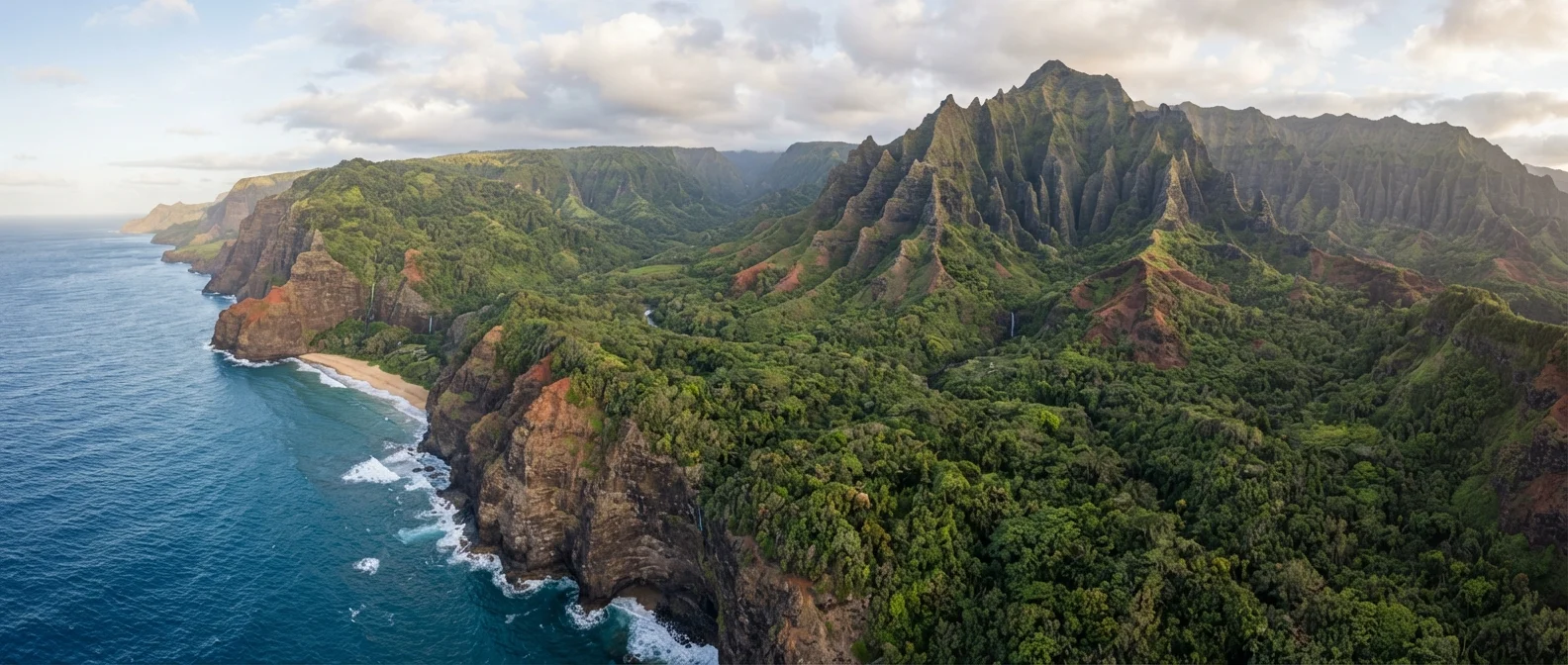
Why Geography Is the Starting Point for Any Destination Decision
Most travelers think about weather, cost, and crowds as three separate puzzles to solve. In reality, all three are downstream of one root factor: where a destination sits on the planet. Latitude, elevation, proximity to water, and surrounding terrain combine to create the climate, which in turn shapes when visitors show up and what the market charges them.
Before comparing flight prices or scrolling hotel listings, a basic read of a destination's geography gives you a powerful mental map. It tells you which months are likely to be packed, which are bargain windows, and what the experience will actually feel like when you arrive. See how this intersects with your own travel style in our guide matching your interests to the right destination.
~6°F
Temperature drop per 1,000 feet of elevation gain
This is a standard atmospheric lapse rate used by meteorologists, meaning a destination at 5,000 feet can feel dramatically cooler than its sea-level surroundings.
6 months
Atlantic hurricane season duration
The official Atlantic hurricane season runs June 1 through November 30, directly affecting travel pricing and risk across Caribbean and Gulf Coast destinations.
2–3x
Typical peak-to-off-peak price multiplier at tropical beach destinations
Industry travel analysts commonly observe this range between high-season and low-season accommodation rates at geography-driven resort destinations, though actual variation depends on the specific location.
Coastal vs. Inland: How Proximity to Water Changes Everything
Coastal destinations benefit from what climatologists call a maritime effect — the ocean buffers temperature swings, keeping summers cooler and winters warmer than inland counterparts at the same latitude. This comfortable moderation is exactly why so many popular beach destinations attract steady crowds across multiple months.
The tradeoff: coastlines are more exposed to tropical storms, seasonal fog, and high humidity. Caribbean and Gulf Coast destinations, for example, carry meaningful hurricane risk from roughly June through November — a period when prices often drop sharply because demand falls. Inland destinations at similar latitudes tend toward drier air but experience more dramatic seasonal swings. A desert interior is famously scorching in summer and surprisingly cold at night in winter, which concentrates tourism into narrow spring and fall windows.
Altitude's Surprising Influence on Climate and Crowds
Elevation rewrites the rules that latitude usually sets. A city sitting 8,000 feet above sea level in a tropical country can feel more like autumn in New England than a beach holiday. This is why some of Central and South America's most visited cities — despite being near the equator — have spring-like conditions year-round.
For travelers, altitude creates both opportunity and planning requirements. The climate stability of high-altitude destinations often means there's no single overwhelming peak season, distributing crowds more evenly. However, rapid weather changes, reduced oxygen for physical exertion, and the need for layered clothing are practical considerations many travelers underestimate. If you're planning active or adventure travel, the geographic setting matters enormously — something worth thinking through alongside the practical travel tips that apply to any trip.
Use Elevation as a Budget Advantage
High-altitude destinations near tourist hotspots — think a mountain town a few hours from a beach resort — often offer noticeably lower accommodation costs while providing a cooler, quieter experience. If your itinerary includes some flexibility, building in a night or two at elevation can reduce costs and provide a refreshing contrast to busy coastal areas.
How Geography Drives Price Patterns
Pricing at any destination is largely a function of when people want to be there — and that demand is geography-driven. A tropical island with a distinct dry season will see flights and accommodations spike during those months because geography concentrates desirable conditions into a limited window. Conversely, when geography creates a year-round pleasant climate, demand spreads out and prices can be more stable and moderate.
Geography also affects infrastructure costs, which flow through to travelers. Remote destinations — whether isolated islands or landlocked mountain villages far from major airports — often have higher base costs for food and lodging because supply chains are longer and more expensive. What looks affordable on paper may carry hidden transport markups. Our article on hidden costs at affordable destinations explores this further.
Understanding this dynamic helps you read a price calendar more intelligently. For a full framework on timing strategy, see our guide on shoulder season vs. peak season.
Reading Geography Before You Book
You don't need a meteorology degree to use geography as a planning tool. A few practical questions get you most of the way there: Is this destination on a coast or inland? Is it in a tropical, temperate, or arid zone? Does it sit at high elevation? Is there a dominant rainy or storm season?
Answers to these questions reveal the destination's natural rhythm — when it's crowded, when it's quiet, and why prices behave the way they do. Travelers who make assumptions about places — like imagining a tropical island is always sunny — often run into unpleasant surprises that a geography check would have caught. Our article on common travel assumptions worth questioning addresses several of these misconceptions directly.
For a deeper dive into how timing intersects with geography and family logistics, the peak vs. shoulder season family perspective is a useful next read.
Frequently Asked Questions
Generally, coastal locations have more stable temperatures because large bodies of water absorb and release heat slowly. However, coasts can also be more prone to tropical storms, fog, and humidity depending on the region and season. It's worth researching the specific coastline and time of year before planning.
Many tropical destinations experience a rainy or hurricane season during the Northern Hemisphere's summer, which reduces demand and pushes prices down. Travelers who can tolerate brief afternoon showers often find significantly lower rates during this window.
Higher elevations mean cooler temperatures, lower oxygen levels, and sometimes rapid weather changes. Travelers should account for altitude acclimatization, lighter clothing layering needs, and the possibility of afternoon thunderstorms common in mountainous regions.
To a significant degree, yes. Destinations with a narrow window of ideal weather naturally concentrate visitors into that period, creating high season. Understanding the geography helps you anticipate those windows and plan around them.
Often, though not always. Inland destinations with fewer tourist facilities may offer lower baseline costs, but they can also lack competition among service providers. Remote inland areas may have high transport costs that offset other savings.
Research what drives a destination's peak season — usually ideal weather — then identify the weeks just before or after that window. Coastal tropical spots, for example, often have excellent conditions in the weeks flanking the rainy season when crowds are thinner.
The content provided on our blog site traverses numerous categories, offering readers valuable and practical information. Readers can use the editorial team’s research and data to gain more insights into their topics of interest. However, they are requested not to treat the articles as conclusive. The website team cannot be held responsible for differences in data or inaccuracies found across other platforms. Please also note that the site might also miss out on various schemes and offers available that the readers may find more beneficial than the ones we cover.