

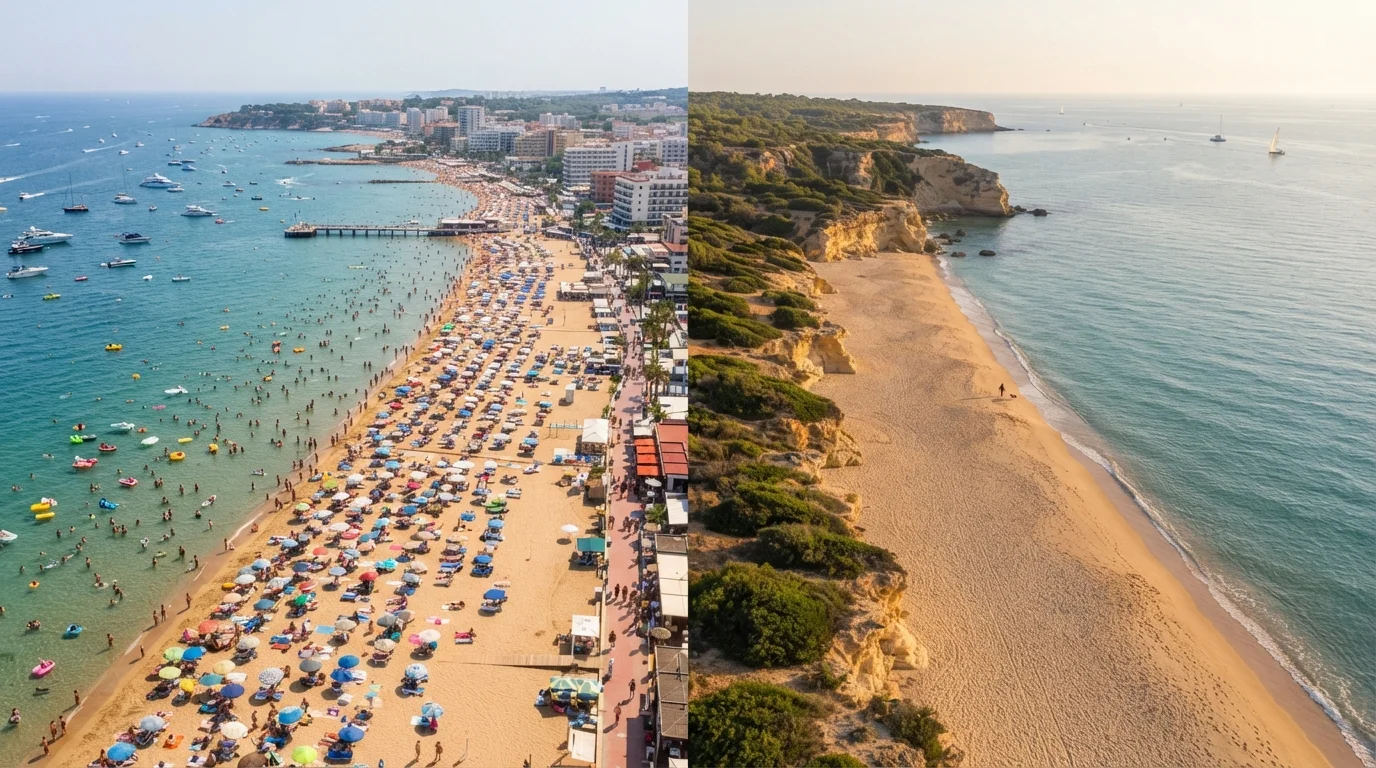
The Three Travel Windows: Peak, Shoulder, and Off-Peak
Every destination runs on a seasonal rhythm shaped by weather, local events, school calendars, and visitor demand. Understanding the three main travel windows helps households make deliberate choices rather than defaulting to the most crowded times by accident.
Peak season is when a destination is running at full capacity. Attractions are staffed and open, the weather tends to be favorable, and the energy is high — but so are crowds and competition for reservations. Shoulder season falls immediately before or after the peak, offering a compromise: conditions are still reasonable, but visitor numbers thin out. Off-peak season sits at the quietest end of the spectrum, with the fewest visitors but also the most trade-offs in terms of what's open, accessible, or predictable.
Importantly, these windows are not universal. A beach town's peak is a ski resort's off-season. A destination in the desert Southwest may be most pleasant — and most visited — in spring and fall, with summer heat pushing visitors away. A destination's geography plays a major role in defining its seasonal personality.
87M+
Annual visits to US national parks at peak
The National Park Service recorded over 325 million recreational visits in a recent year, with the majority concentrated in summer months at top-tier parks.
2–3x
Typical lodging demand surge during peak windows
Industry data consistently shows lodging occupancy at popular leisure destinations roughly doubles or triples during peak holiday and summer periods compared to off-peak weeks.
6–12 months
Advance booking lead time for peak destinations
Travel planning guidance from major park and resort destinations commonly recommends reservations six to twelve months in advance for peak-period stays at high-demand sites.
What Peak Season Actually Means on the Ground
Traveling during peak season is a fully different logistical experience than visiting the same place in a quieter window. At popular national parks during summer, timed entry permits have become common — without advance planning, visitors can arrive and be turned away. In coastal resort towns, nightly rental rates often reflect peak demand, and the inventory of available accommodations shrinks quickly.
Beyond logistics, crowding shapes the experience itself. Trails are more congested, restaurant waits grow longer, and the sense of discovery that makes travel rewarding can feel harder to find. That said, peak season also means maximum amenities: full tour schedules, all attractions open, and a lively atmosphere that some travelers genuinely prefer.
Families with school-age children often have limited flexibility here. Summer and school breaks align directly with peak season at many destinations, making this a real constraint rather than a preference. For households in that situation, strategies like arriving mid-week, booking accommodations well in advance, and visiting secondary sites within a destination can meaningfully improve the experience. See our guide to itinerary design for practical ways to build breathing room even during busy windows.
Shoulder Season: The Case for Slightly Off-Center Timing
For households with any flexibility in their schedules, shoulder season is often where the most satisfying travel experiences live. Visitor volumes drop, but most of what drew you to a destination in the first place is still available. A coastal destination in late September may have nearly empty beaches while restaurants and shops remain fully open. A popular city in early November often has hotel availability, shorter museum lines, and cooler, more walkable weather.
The trade-off is unpredictability — shoulder season can mean occasional weather variability or reduced hours at some seasonal attractions. The key is researching the specific destination's shoulder calendar rather than assuming one-size-fits-all timing.
Households with flexible work schedules, remote work arrangements, or children in non-traditional school programs have the most to gain from shoulder season travel. Even a shift of a week or two — from late June to early September, for example — can meaningfully change the visitor experience at domestic hotspots. Our companion piece on peak vs. shoulder season from a family's perspective explores these trade-offs in more depth.
Building Your Trip Timing Around Real Constraints
Knowing the theory of seasonal travel is most useful when applied to your household's actual situation. Start by mapping your hard constraints: school calendar, work PTO windows, any fixed family events. Then look at how those align with the destination you're considering — or use timing flexibility to discover destinations where your available window happens to land in a favorable season.
For example, a household that can only travel in July might find the Pacific Northwest more manageable than, say, a Florida beach town, simply because summer is genuinely peak season for the Northwest while summer heat (and hurricane season) pushes some Florida visitors away. Underexplored US regions often have less dramatic peak surges than headline destinations, offering a gentler experience even in traditional busy windows.
If you're weighing whether a domestic or international destination makes sense for your timing, the practical considerations differ significantly — from entry requirements to seasonal patterns abroad. Comparing domestic and international travel can help clarify which path fits your household's timeline and logistics. Whatever you decide, checking official tourism sources and government travel advisories before booking is always the right move — conditions and entry requirements can change.
This article is for general informational purposes only. Always verify current destination conditions, entry requirements, and seasonal schedules with official sources before booking travel.
Frequently Asked Questions
Peak season varies by destination type. For most domestic destinations, summer (mid-June through August) and major holiday windows (Thanksgiving, spring break, winter holidays) represent the busiest periods. Coastal and national park destinations see the sharpest peaks in summer, while mountain resorts peak in winter.
For many families, shoulder season represents a genuine sweet spot. Conditions are often still pleasant, major attractions remain open, and visitor volumes drop noticeably. The main constraint is school calendars — families tied to a traditional academic year have limited flexibility outside of designated breaks.
For popular destinations during peak windows, planning six to twelve months ahead is common. Popular national parks, coastal rentals, and theme park-adjacent hotels can book out especially fast. The earlier you lock in key reservations, the more choices you typically have.
Traveling outside peak windows generally correlates with lower demand for lodging and some services, though prices are set by market conditions that can vary widely. Off-peak timing also reduces competition for reservations and may mean shorter waits at popular sites — but always verify what's open before you book.
Check official tourism websites, national park service pages, or state travel bureaus for the destination you're considering. These sources typically describe visitor patterns, hours of operation by season, and any reservation or permit requirements tied to busy periods.
The content provided on our blog site traverses numerous categories, offering readers valuable and practical information. Readers can use the editorial team’s research and data to gain more insights into their topics of interest. However, they are requested not to treat the articles as conclusive. The website team cannot be held responsible for differences in data or inaccuracies found across other platforms. Please also note that the site might also miss out on various schemes and offers available that the readers may find more beneficial than the ones we cover.