

Why a Pre-Purchase Inspection Matters
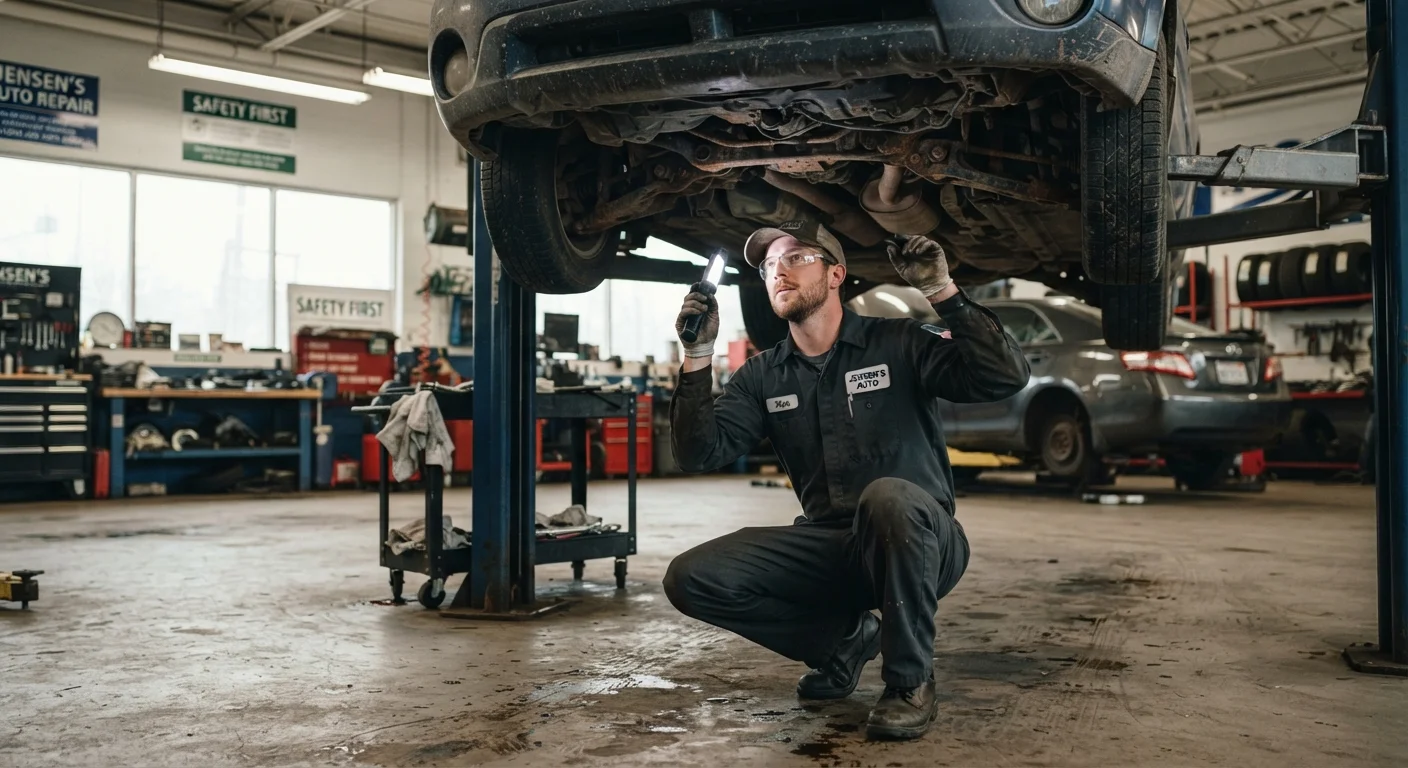
A test drive tells you how a car feels. A pre-purchase inspection (PPI) tells you what's actually going on underneath. Even a well-presented used vehicle can have hidden rust, worn brake components, oil leaks, or deferred maintenance that won't surface during a 20-minute drive around the block.
The cost of a PPI is modest - typically between $100 and $200 at most independent shops - but the information it delivers can reframe an entire purchase decision. If a mechanic finds $2,000 in needed repairs on a car listed at $12,000, you now have leverage to renegotiate or the clarity to walk away. That's money well spent either way.
A PPI works alongside - not instead of - a vehicle history report. The history report covers past accidents, title issues, and odometer records. The mechanic covers the current physical condition of the car. Together, they give you the most complete picture available before you sign anything. See what a vehicle history report actually tells you to understand how to read one before your inspection appointment.
This step fits naturally into the broader car-buying process. If you're still early in your research, our full car-buying walkthrough shows exactly where a PPI fits relative to negotiating and financing.
What a Pre-Purchase Inspection Covers
A thorough PPI from a qualified mechanic should examine the following areas:
- Engine and drivetrain: Oil condition and level, coolant, belts, hoses, signs of leaks, unusual wear, and whether the engine starts cleanly and runs without misfires or smoke.
- Transmission: Fluid condition and level, shift smoothness, and any signs of slippage or hesitation (especially important on automatics).
- Brakes: Pad thickness, rotor condition, brake fluid level, and caliper function. Worn brakes are one of the most common findings on higher-mileage vehicles.
- Suspension and steering: Ball joints, tie rods, shocks or struts, and overall alignment. A car that pulls to one side or feels loose over bumps may have suspension wear the seller hasn't disclosed.
- Electrical systems: Battery health, lights, instrument cluster, power windows, and any active warning codes pulled from the OBD-II port (the on-board diagnostics system standard on vehicles made after 1996).
- Body and frame: Rust, prior body repairs, panel gaps, and any signs of structural damage from past collisions that paint may be hiding.
- Tires: Tread depth, uneven wear patterns (which can indicate alignment or suspension problems), and sidewall condition.
Ask the mechanic to perform a road test as part of the inspection if their process allows it. Driving the car can reveal transmission behavior and brake feel that a lift inspection alone can't confirm.
Ask About Specific Recalls Before Your Appointment
Look up any open recall notices for the vehicle using the National Highway Traffic Safety Administration's (NHTSA) free VIN lookup tool at nhtsa.gov before your inspection appointment. Share any open recall information with your mechanic - they can confirm whether the recall work has been completed. Unaddressed recalls are a legitimate negotiating point and, in some cases, a safety concern.
How to Arrange a Pre-Purchase Inspection
Follow these steps to set up a PPI that gives you reliable, independent information.
What you will need
Find an independent mechanic - not the seller's shop
Search for an ASE-certified mechanic (Automotive Service Excellence) or a shop that specializes in the make you're considering. Avoid any shop the seller or dealership recommends, as that creates a conflict of interest. Local independent shops, dealerships for competing brands, or shops found through AAA's approved network are all reasonable options.
Get the seller's agreement before scheduling
Contact the seller - private party or dealership - and let them know you'd like to have the vehicle independently inspected before finalizing the purchase. Reputable sellers will agree readily. If a seller refuses or pressures you to skip this step, treat that response as a significant red flag and proceed with extra caution.
Arrange transport to the inspection shop
Coordinate how the car will get to the mechanic's shop. Options include driving it there yourself (if the seller allows), having the seller drive it, or using a mobile inspection service that comes to the vehicle's current location. Mobile inspections are convenient but may be limited in scope - a shop with a lift provides a more thorough undercarriage review.
Request a written report with cost estimates
Ask the mechanic to document every finding in writing, including which items are safety concerns requiring immediate attention and which are routine maintenance items to plan for. Request rough repair cost estimates where possible. A verbal rundown at the counter is not enough - you need a record you can reference during negotiations.
Use the findings to negotiate or decide
Review the report and estimate the total cost to address any significant findings. If needed repairs are substantial, use that figure to negotiate a lower purchase price or request that the seller address the issues before sale. If the mechanic finds serious structural damage, frame or flood damage, or a major mechanical failure, it may be more prudent to walk away and find a different vehicle.
Once you have the written report in hand, use it as a negotiating tool - not just a pass/fail verdict. Most used cars will have at least some deferred maintenance. The question is whether those costs are priced into the asking price, and whether the seller is willing to adjust. For more on the full research process before visiting a lot, see our guide on preparing before you set foot in a dealership.
If you're considering a certified pre-owned vehicle, note that CPO programs include their own inspections - but their scope and standards vary significantly by manufacturer. Read what the CPO label actually means before assuming a CPO vehicle doesn't need an independent check.
The content provided on our blog site traverses numerous categories, offering readers valuable and practical information. Readers can use the editorial team’s research and data to gain more insights into their topics of interest. However, they are requested not to treat the articles as conclusive. The website team cannot be held responsible for differences in data or inaccuracies found across other platforms. Please also note that the site might also miss out on various schemes and offers available that the readers may find more beneficial than the ones we cover.