

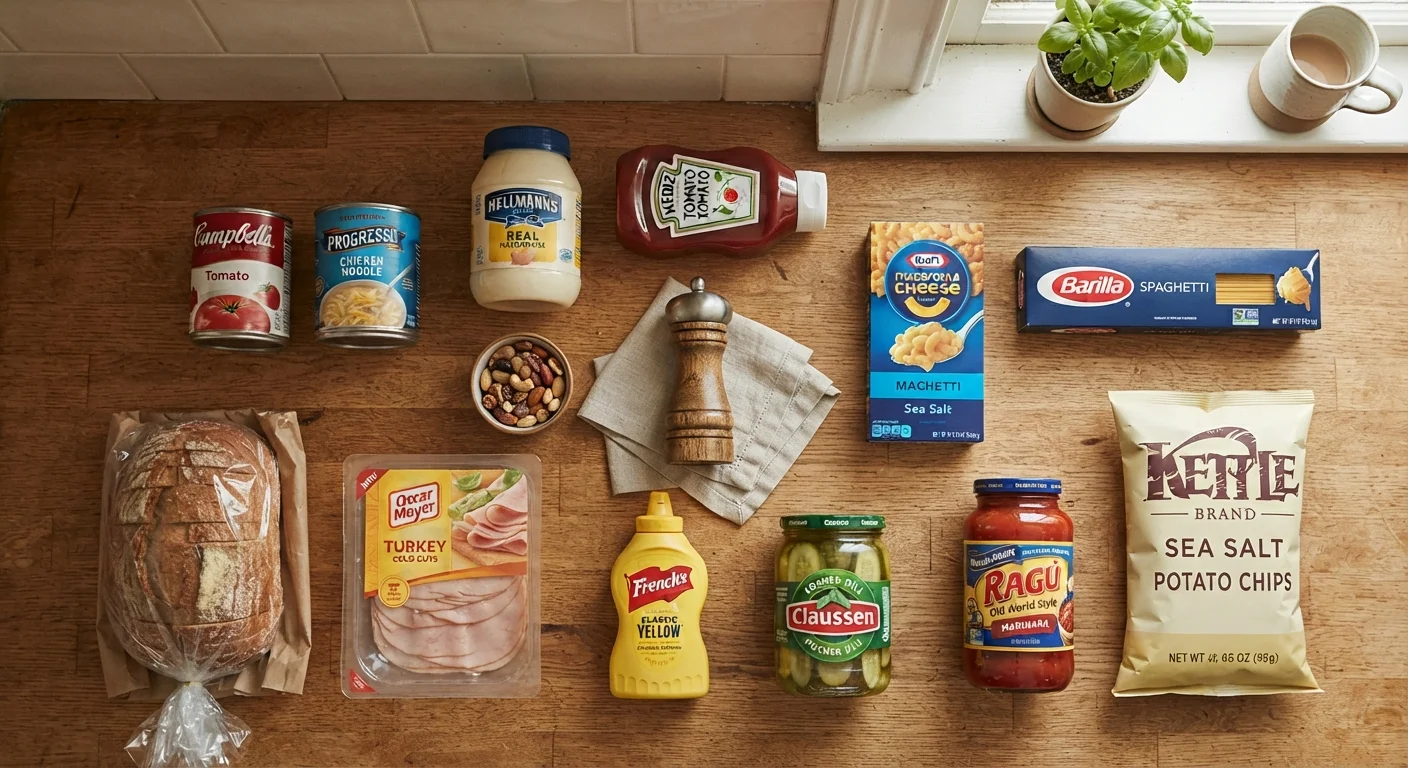
The Salt You're Not Seeing
Most of us picture the salt shaker when we think about sodium intake. In reality, the American Heart Association estimates that roughly 70% of the sodium Americans consume comes from packaged and restaurant foods - not from seasoning added at the table or during home cooking. That's the core reason daily sodium totals can climb so high without anyone reaching for extra salt.
Understanding where sodium actually lives in your diet is the first step toward making meaningful changes. Fortunately, the information is all available - it just requires knowing where to look and what to watch for on labels. Our guide on reading the Nutrition Facts label walks through exactly how to decode the numbers you see on packaging.
~70%
Sodium from packaged and restaurant foods
According to the American Heart Association, roughly 70% of Americans' daily sodium intake comes from processed and restaurant foods rather than home cooking or table salt.
2,300 mg
Daily sodium limit for most adults
The 2020-2025 Dietary Guidelines for Americans set 2,300 mg per day as the recommended upper limit for sodium intake in adults.
3,400 mg
Average daily sodium intake in the US
The CDC reports that Americans consume an average of about 3,400 mg of sodium per day - nearly 50% more than the recommended limit.
Surprising Foods That Are High in Sodium
Some high-sodium foods are obvious - pretzels, chips, pickles. But many of the biggest contributors to daily sodium intake are foods that don't taste particularly salty at all:
- Bread and rolls: A single slice of sandwich bread can contain 100-200 mg of sodium. Eating four or five servings across a day - toast at breakfast, a sandwich at lunch - adds up quietly and quickly.
- Canned soups: One of the most recognized hidden-sodium culprits, a single serving of regular canned soup can deliver 700-900 mg, sometimes more. Many cans contain two servings, doubling the count for people who eat the whole can.
- Deli meats and cold cuts: Processed meats are preserved and flavored with salt. Two ounces of deli turkey or ham can contain 400-600 mg of sodium - and that's before adding condiments or cheese.
- Cheese: Cottage cheese, American cheese slices, and processed cheese products are sodium-dense. Even natural cheeses like feta or parmesan carry significant amounts.
- Condiments and sauces: Soy sauce, ketchup, salad dressings, and pasta sauces contribute sodium in ways people often overlook because serving sizes are small - but those small amounts accumulate across meals.
- Breakfast cereals: Many popular cereals contain 150-300 mg per serving, making breakfast a notable sodium contributor even before adding milk or toast.
This pattern - multiple moderate-sodium foods eaten throughout the day - is why totals climb so fast. No single food is necessarily the villain; the cumulative effect is what matters.
How to Spot and Manage Sodium on Labels
The Nutrition Facts label lists sodium in milligrams per serving and as a percentage of the Daily Value (DV), where 100% DV equals 2,300 mg. A food with 20% DV or more per serving is considered high in sodium by FDA standards; 5% DV or less is considered low.
A few practical habits make label reading more useful in daily life:
- Check the serving size first. Sodium figures mean little without knowing how much food they describe. A can of soup labeled at 480 mg per serving may contain two servings - making the full can 960 mg.
- Compare within categories. Sodium levels vary widely between brands of the same product. Two different jarred pasta sauces might differ by 300 mg per serving. Brief label comparisons pay off.
- Look for low-sodium or no-salt-added versions. These are widely available for canned beans, canned tomatoes, broths, and soups. Rinsing canned beans under water can also remove a meaningful amount of sodium from the brine.
Tackling sodium isn't unlike the approach we describe in building a balanced plate without counting every calorie - small, consistent choices across the day matter more than any single dramatic swap.
Quick Swap: Build a Lower-Sodium Pantry
Stocking a few lower-sodium staples can dramatically cut daily intake without changing cooking habits much. Look for no-salt-added canned tomatoes and beans, low-sodium broth, and reduced-sodium versions of soy sauce and condiments. Because sodium varies so much between brands, comparing labels within a category takes only seconds and consistently delivers results.
Eating Out and the Sodium Challenge
Restaurant and fast-food meals are among the most significant sources of excess sodium in the American diet. A single fast-food meal - burger, fries, and a condiment packet - can easily deliver 1,500-2,000 mg of sodium, approaching or exceeding the full daily recommendation in one sitting. Sit-down chain restaurants often fare similarly, as commercial kitchens rely heavily on salty sauces, marinades, and pre-seasoned ingredients.
Practical strategies for eating out without completely abandoning sodium awareness include asking for sauces and dressings on the side, choosing grilled preparations over fried or heavily sauced options, and selecting appetizers or half-portions when available. These steps won't eliminate sodium, but they can meaningfully reduce it.
It's also worth remembering that occasional restaurant meals are a normal part of family life - the goal isn't perfection but awareness. If sodium tends to run high when eating out, balancing the rest of the day with lower-sodium meals at home is a reasonable and realistic approach. This connects to the broader idea in nutrition patterns that quietly undermine a family's eating habits - it's the consistent daily patterns, not isolated meals, that shape long-term health.
This article is for general informational and educational purposes only and is not a substitute for professional medical or dietary advice. If you have concerns about your sodium intake or blood pressure, please consult a qualified healthcare provider.
Frequently Asked Questions
Bread is consistently one of the top sources of sodium in the American diet - not because any single slice is extreme, but because most people eat multiple servings a day. Canned soups, deli meats, and pizza are also major contributors. The cumulative effect of moderate-sodium foods eaten frequently often outpaces obviously salty snacks.
The Dietary Guidelines for Americans recommend a limit of 2,300 mg of sodium per day for most adults. People with high blood pressure, kidney disease, or certain other conditions may be advised to aim lower - a qualified healthcare provider can help determine what's appropriate for a specific individual.
Yes. Research has shown that rinsing canned beans under cold water for about 30 seconds can remove a meaningful portion of the added sodium from the brine. It's a simple step that requires no special ingredients or extra cost.
By weight, all types of salt - sea salt, kosher salt, and table salt - contain similar amounts of sodium. The difference in perceived saltiness comes from crystal size and texture, not sodium content. Switching salt types won't significantly lower your sodium intake.
Generally, yes. Restaurant meals - especially fast food and chain restaurant entrees - often contain 1,000-2,000 mg of sodium or more in a single dish. Asking for sauces on the side and choosing preparations that aren't fried or heavily seasoned can help, but it's difficult to control sodium precisely when eating out.
In the US, FDA regulations define 'low sodium' as 140 mg or less per serving. 'Reduced sodium' means at least 25% less sodium than the regular version of the same product - but the starting amount may still be high, so checking the actual milligrams on the label matters.
The content provided on our blog site traverses numerous categories, offering readers valuable and practical information. Readers can use the editorial team’s research and data to gain more insights into their topics of interest. However, they are requested not to treat the articles as conclusive. The website team cannot be held responsible for differences in data or inaccuracies found across other platforms. Please also note that the site might also miss out on various schemes and offers available that the readers may find more beneficial than the ones we cover.