

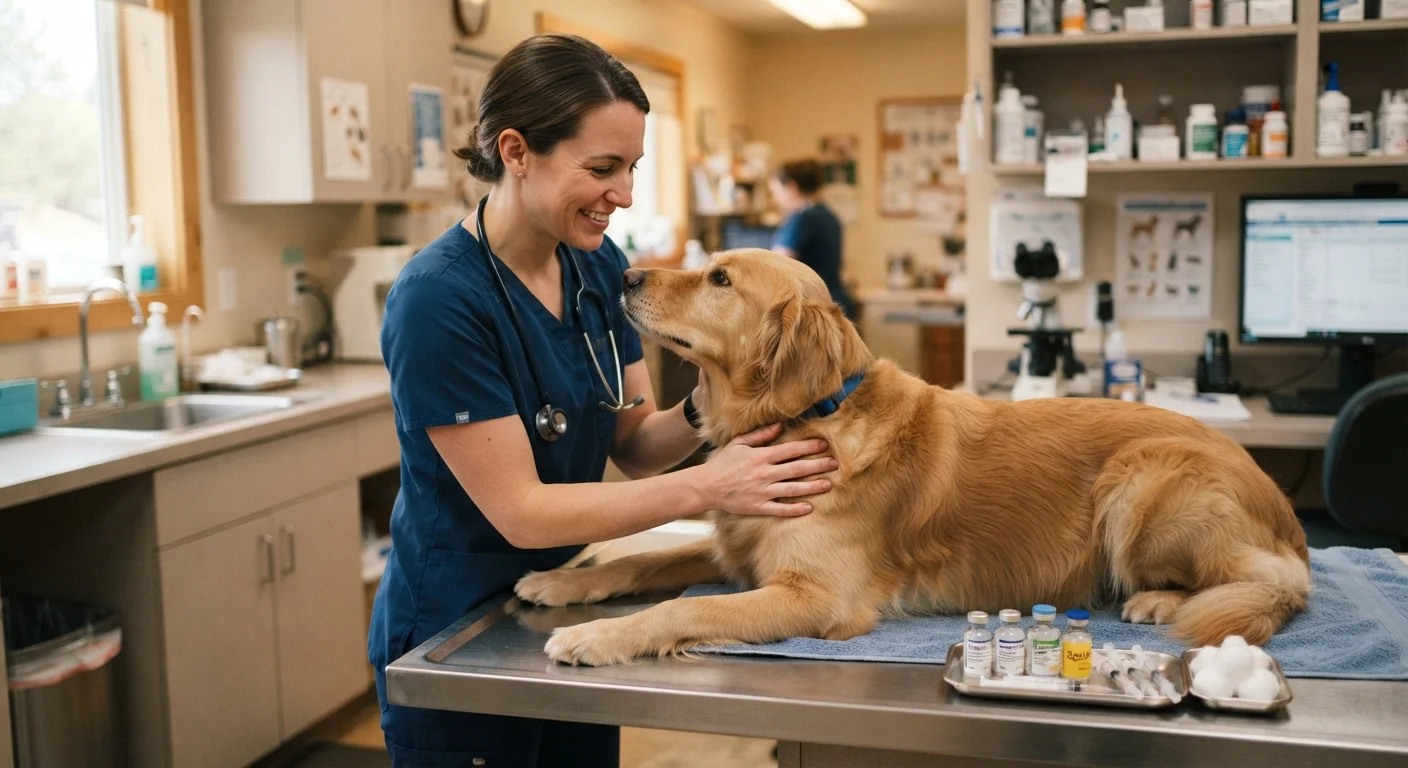
The Core vs. Non-Core Framework
Veterinarians categorize pet vaccines into two broad groups: core vaccines and non-core vaccines. This framework, endorsed by organizations such as the American Animal Hospital Association (AAHA) and the American Association of Feline Practitioners (AAFP), helps guide which immunizations are recommended universally and which depend on individual circumstances.
Core vaccines are recommended for virtually every dog or cat regardless of lifestyle, because they protect against diseases that are either highly contagious, potentially fatal, or transmissible to humans (zoonotic). Non-core vaccines are considered optional and are recommended only when a pet's specific risk factors — geographic location, living situation, or activities — make them appropriate.
This distinction matters because over-vaccinating carries low but real risks (local reactions, immune stimulation), while under-vaccinating leaves pets exposed to preventable illness. Your veterinarian weighs both sides during a routine wellness visit.
Core Vaccines for Dogs and Cats
The following vaccines are widely considered core for dogs and cats in the United States. Always confirm the current schedule with your vet, as guidelines are periodically updated.
Dogs
- Rabies: Required by law in most US states. Protects against a fatal viral disease transmissible to humans. Initial vaccine, then boosters at 1-year and 3-year intervals depending on local regulation and product used.
- Distemper (CDV): A severe, often fatal virus affecting the respiratory, gastrointestinal, and nervous systems.
- Canine Parvovirus (CPV): Highly contagious and frequently fatal in unvaccinated puppies; attacks the GI tract and immune system.
- Canine Adenovirus (CAV-2): Protects against infectious hepatitis and contributes to protection against kennel cough.
Distemper, parvovirus, and adenovirus are typically delivered together as the DAP combination vaccine, sometimes also called DHPP or DA2PP depending on additional components.
Cats
- Rabies: Core for all cats, including indoor-only cats, in most states.
- Feline Panleukopenia (FPV): A parvovirus-related disease causing severe GI illness and immune suppression.
- Feline Herpesvirus-1 (FHV-1): A primary cause of feline upper respiratory infections.
- Feline Calicivirus (FCV): Another leading cause of respiratory disease and oral ulcers in cats.
Panleukopenia, herpesvirus, and calicivirus are commonly combined in the FVRCP vaccine.
Non-Core Vaccines: When Risk Justifies Protection
Non-core vaccines are not unnecessary — they are simply tailored to specific risks. A dog who regularly visits dog parks, boarding facilities, or wooded tick-heavy areas faces a very different exposure profile than one who rarely leaves home.
Core vaccine
A vaccine recommended for all pets of a given species, regardless of lifestyle, because the disease it prevents is highly contagious, potentially fatal, or poses a public health risk.
Non-core vaccine
A vaccine recommended selectively, based on a pet's geographic location, living situation, or activity level, because not every animal faces significant exposure risk.
Zoonotic disease
An infectious disease that can spread between animals and humans. Rabies and leptospirosis are examples relevant to pet vaccination decisions.
Maternal antibodies
Protective antibodies passed from a mother to her offspring, which can temporarily interfere with vaccine effectiveness in very young animals and are why puppy and kitten series involve multiple doses.
Booster
A follow-up dose of a vaccine given after the initial series to maintain or renew immunity over time.
Titer test
A blood test that measures the level of antibodies in a pet's bloodstream, sometimes used to assess whether a booster vaccine is needed rather than vaccinating on a fixed schedule.
Common Non-Core Vaccines for Dogs
- Bordetella bronchiseptica (Kennel Cough): Recommended for dogs with regular social contact — boarding, grooming, training classes, or dog parks. Available as injectable, intranasal, or oral formulations.
- Leptospirosis: A bacterial infection spread through water or soil contaminated by infected wildlife urine. Recommended in areas with known exposure risk; also zoonotic.
- Lyme disease: Appropriate for dogs in tick-endemic regions, particularly the Northeast, upper Midwest, and Pacific coast.
- Canine Influenza (CIV): Considered for dogs in high-contact environments or regions where outbreaks have been reported.
Common Non-Core Vaccines for Cats
- Feline Leukemia Virus (FeLV): Considered core by some guidelines for kittens and outdoor cats; classified as non-core for low-risk indoor-only adult cats.
- Chlamydia felis: May be recommended in multi-cat households with documented history of infection.
- Feline Immunodeficiency Virus (FIV): Sometimes considered for outdoor cats with bite-wound risk, though guidelines vary.
Because vaccine needs shift as a pet ages or its lifestyle changes, revisiting the schedule at each annual wellness exam is important. See also our overview of preventive care across life stages for context on how vaccination fits into the broader picture.
What Guides Your Vet's Recommendations
Several factors shape which vaccines a veterinarian recommends beyond the core list:
- Age: Puppies and kittens receive a series of initial vaccines spaced weeks apart to account for waning maternal antibodies. Senior pets may receive modified schedules based on health status.
- Lifestyle and environment: Outdoor access, travel, contact with wildlife, and use of boarding or daycare facilities all increase exposure risk.
- Geographic region: Leptospirosis and Lyme disease vaccines are more commonly recommended in areas where those pathogens circulate widely.
- Health history: Pets with immune-mediated conditions or prior vaccine reactions may need individualized plans.
- State and local law: Rabies vaccination requirements vary by state and sometimes by county.
Vaccines are one part of a broader preventive care strategy that also includes parasite control. For more on that side of the equation, see our guide to parasite prevention for dogs and cats.
This article is for general informational purposes only and is not a substitute for professional veterinary advice. Always consult a licensed veterinarian for guidance specific to your pet's health needs and vaccination schedule.
The content provided on our blog site traverses numerous categories, offering readers valuable and practical information. Readers can use the editorial team’s research and data to gain more insights into their topics of interest. However, they are requested not to treat the articles as conclusive. The website team cannot be held responsible for differences in data or inaccuracies found across other platforms. Please also note that the site might also miss out on various schemes and offers available that the readers may find more beneficial than the ones we cover.