

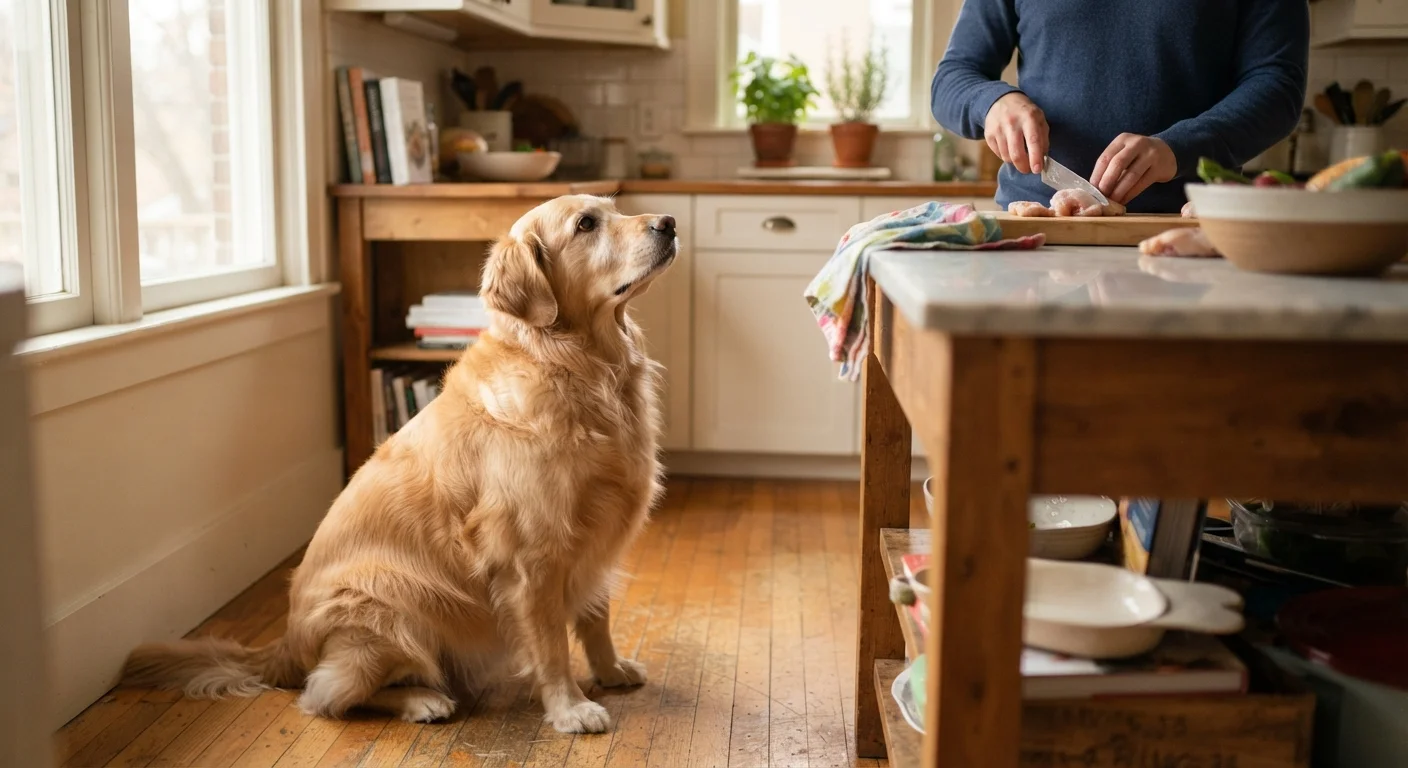
The Quiet Creep of Everyday Feeding Habits
Pet weight gain rarely happens because of one dramatic change. More often, it's the accumulation of small, well-intentioned habits — an extra handful of kibble here, a treat after a good sit there — that tip the balance over months or years. According to the Association for Pet Obesity Prevention, a significant percentage of US cats and dogs are classified as overweight or obese, and many owners genuinely don't recognize it at first. Understanding why these patterns form is the first step toward breaking them.
This article walks through the most common feeding and lifestyle mistakes that contribute to weight gain in pets — and what you can do differently. For a broader look at how to assess your pet's body condition, see why so many pets are overweight and how to spot it early.
Estimating portion sizes by eye rather than measuring them.
Why it happens: Most owners pour food until it looks about right, which almost always means more than the recommended amount — especially with calorie-dense kibble.
Treating too frequently, or from too many different people in the household.
Why it happens: Treats feel like affection, and every family member wants to participate. The total daily treat load often goes uncounted because no single person sees the full picture.
Leaving food out all day instead of feeding set meals.
Why it happens: Free-feeding feels more convenient and seems kinder, as pets can graze whenever they want. But many animals will eat simply because food is present, not because they're hungry.
Failing to reduce calories as a pet ages or becomes less active.
Why it happens: Owners establish a feeding routine that worked when the pet was young and active, then maintain it unchanged as the animal slows down with age or injury.
Overlooking the caloric content of table scraps and food toppers.
Why it happens: A small bite of chicken or a spoonful of broth seems harmless in isolation. Over time, these additions can substantially increase daily calorie intake without owners noticing.
Adjusting Your Approach for Lasting Results
Correcting feeding habits doesn't require dramatic intervention. Small, consistent changes — switching to a measuring cup, coordinating treats among family members, scheduling brief daily activity — can meaningfully reduce a pet's caloric intake over time. Before making changes, particularly for pets with health conditions or those already significantly overweight, consult your veterinarian. They can recommend a feeding amount calibrated to your individual pet's age, breed, and activity level.
~60%
US cats and dogs estimated overweight or obese
The Association for Pet Obesity Prevention has consistently found that more than half of US pet cats and dogs fall into overweight or obese categories in annual clinical surveys.
10%
Maximum daily calories treats should contribute
Veterinary nutritionists generally recommend keeping treat calories to no more than 10% of a pet's total daily caloric intake to avoid unintentional weight gain.
It's also worth revisiting common assumptions about what pets need to eat. Many popular beliefs about pet nutrition don't align with current evidence. Common myths about pet nutrition that vets frequently correct is a useful companion read. For a wider look at at-home care habits that affect long-term wellbeing, what pet owners often get wrong at home between vet visits covers patterns across multiple areas of routine care.
This article is for general informational purposes only and is not a substitute for veterinary advice. Always consult a licensed veterinarian before making changes to your pet's diet or exercise routine.
The content provided on our blog site traverses numerous categories, offering readers valuable and practical information. Readers can use the editorial team’s research and data to gain more insights into their topics of interest. However, they are requested not to treat the articles as conclusive. The website team cannot be held responsible for differences in data or inaccuracies found across other platforms. Please also note that the site might also miss out on various schemes and offers available that the readers may find more beneficial than the ones we cover.