

The Psychology Behind Road Rage
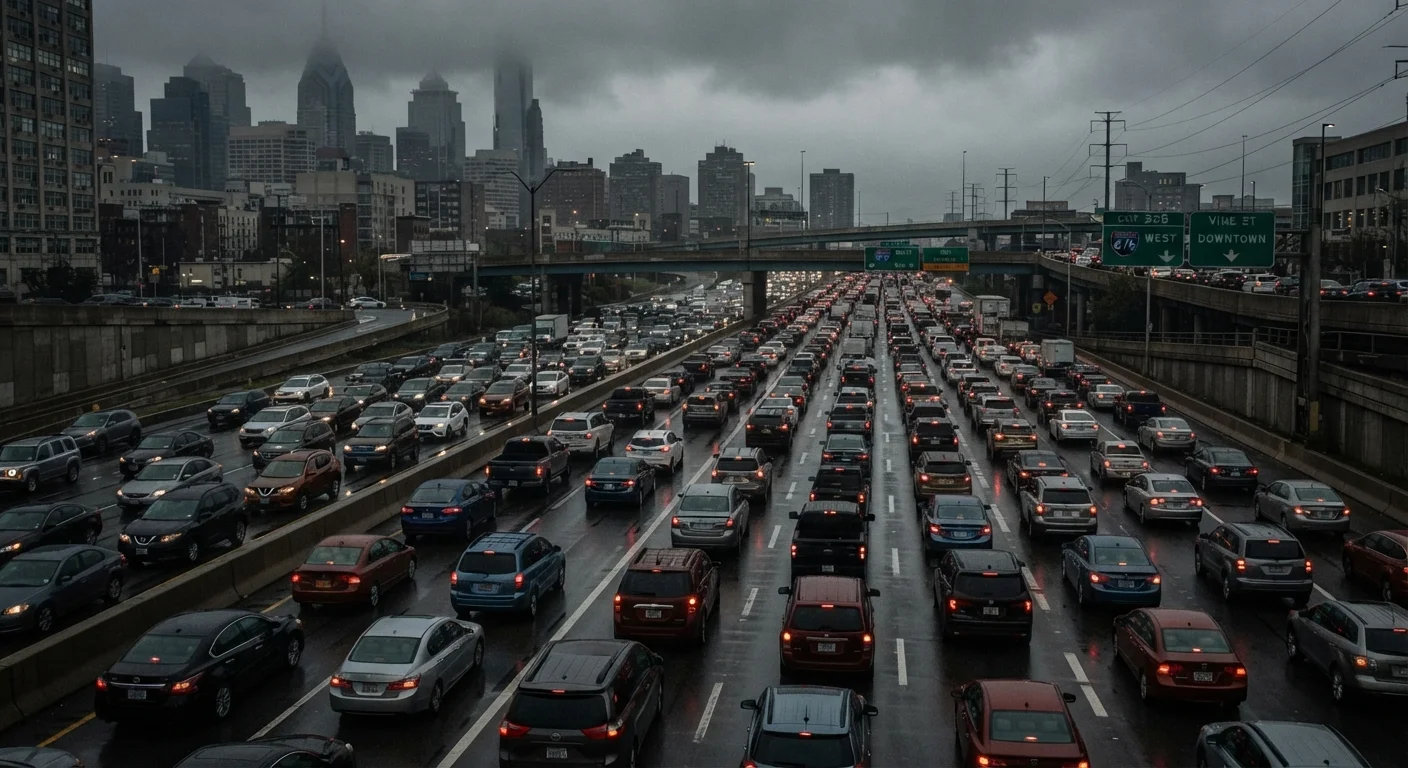
Road rage doesn't appear out of nowhere. It builds from a specific mix of psychological conditions that the driving environment creates almost by design. When drivers feel anonymous - faces hidden behind glass, identities reduced to a license plate - social inhibitions that normally prevent aggressive behavior tend to weaken. Psychologists refer to this as deindividuation: the sense that you are less accountable for your actions because you are not being seen as a full person.
Add in physical confinement, time pressure, and the unpredictability of other drivers, and the car becomes a pressure cooker. Perceived disrespect - a sudden lane change, a slow merge, a horn honked at the wrong moment - can feel like a personal attack even when it clearly isn't. The brain's threat-response system doesn't always distinguish between a genuine danger and a traffic annoyance, which is part of why reactions can escalate so quickly.
Stress carried into the car from outside amplifies everything. A driver who slept poorly, is running late, or is dealing with a difficult personal situation is already operating with a shorter emotional fuse. Persistent irritability and difficulty concentrating are worth paying attention to - they can indicate a stress load that spills into daily activities like driving.
“The car strips away social cues and replaces them with anonymity. People behind the wheel often feel less constrained by the norms that regulate behavior in face-to-face settings - and that shift in perceived accountability is at the heart of why road rage happens at all.”
— Leon James, Professor of Psychology, University of Hawaii, and researcher on traffic behavior
What Road Rage Actually Looks Like
Road rage exists on a spectrum. At the milder end, it includes aggressive honking, flashing headlights, or muttering at other drivers inside the car. As intensity increases, it can involve tailgating, deliberate cut-offs, blocking another vehicle, or aggressive gesturing. At the extreme end, it escalates to physical confrontations or using a vehicle as a weapon - incidents that result in serious injury or death each year across the US.
It's worth understanding the legal distinction here: aggressive driving refers to specific traffic violations, while road rage typically involves intentional acts aimed at another person. Understanding the line between defensive and aggressive driving matters both for your safety and your legal exposure.
80%
Drivers who report road rage or aggressive driving
According to AAA Foundation for Traffic Safety research, roughly 8 in 10 US drivers reported expressing significant anger or aggression behind the wheel at least once in a given year.
~56%
Fatal crashes involving aggressive driving
The AAA Foundation for Traffic Safety has estimated that aggressive driving behaviors are a factor in more than half of fatal traffic crashes in the United States.
37%
Road rage incidents involving a firearm
Everytown for Gun Safety has reported that firearms were involved in approximately 37% of road rage incidents over a multi-year analysis period, highlighting the potential for rapid lethal escalation.
Behaviors that seem minor - like brake-checking a tailgater - can escalate a tense situation rapidly. Following too closely is already a significant crash risk; responding to it aggressively compounds that danger rather than resolving it.
How to Defuse Road Rage - Your Own and Others'
Managing road rage starts before you turn the key. Building in extra travel time removes one of the most common triggers. Arriving at the car already agitated - from news, a heated call, or a stressful morning - sets a difficult baseline. A few slow breaths before you pull out of the driveway isn't a cliché; it's a practical reset.
Give Yourself a Buffer Before You Drive
If you've just ended a stressful call or a heated argument, wait a few minutes before getting behind the wheel. Even a short pause allows your nervous system to begin settling. Drivers who give themselves a brief transition period tend to start their trips in a calmer, more focused state.
When another driver behaves aggressively toward you, the instinct to respond in kind is strong - and almost always the wrong move. Experienced drivers know that not engaging is a form of control, not weakness. Avoid eye contact, do not make gestures, and resist the urge to speed up or brake sharply. Putting distance between yourself and the other vehicle is the safest immediate action.
Reading the road environment proactively helps you spot brewing tension before it reaches your bumper - giving you time and space to adjust your position rather than react to a conflict already in motion.
If you feel your own anger escalating, naming it can help: "I'm frustrated right now, and that's affecting how I'm driving." That moment of self-awareness creates just enough pause to make a more rational choice. If a situation feels genuinely threatening, drive to a populated location or a police station rather than stopping on the road.
Repeated difficulty controlling anger while driving - separate from occasional frustration - may be worth discussing with a mental health professional. Impaired judgment from fatigue or emotional stress can look similar behind the wheel but call for different responses.
Frequently Asked Questions
Common triggers include heavy traffic, running late, tailgating, being cut off, and feeling disrespected by another driver's behavior. Stress from outside the car - work pressure, lack of sleep, personal conflict - often amplifies these reactions significantly.
It can be. Depending on the specific actions involved, road rage may lead to charges ranging from reckless driving and assault to more serious offenses if a weapon is used or someone is injured. Laws vary by state, but most treat intentional aggressive acts on the road as criminal matters.
Do not engage, make eye contact, or retaliate. Avoid matching the other driver's speed or making gestures. If you feel threatened, drive to a public place or a police station and call 911. Do not exit your vehicle if the other driver is aggressive.
Yes. Research in traffic psychology suggests that situational factors - anonymity, confinement, time pressure - can push ordinarily calm people toward aggressive responses. It is not limited to drivers with short tempers or prior behavioral issues.
Aggressive driving typically refers to specific traffic violations committed with disregard for others, such as speeding or unsafe lane changes. Road rage escalates beyond traffic behavior into intentional acts meant to threaten or harm another person.
Give yourself extra travel time, limit distractions, and practice deliberate breathing when you feel tension rising. Recognizing your personal triggers - like heavy traffic or chronic lateness - allows you to prepare mentally before you get behind the wheel.
The content provided on our blog site traverses numerous categories, offering readers valuable and practical information. Readers can use the editorial team’s research and data to gain more insights into their topics of interest. However, they are requested not to treat the articles as conclusive. The website team cannot be held responsible for differences in data or inaccuracies found across other platforms. Please also note that the site might also miss out on various schemes and offers available that the readers may find more beneficial than the ones we cover.