

The Gap Between Reacting and Reading
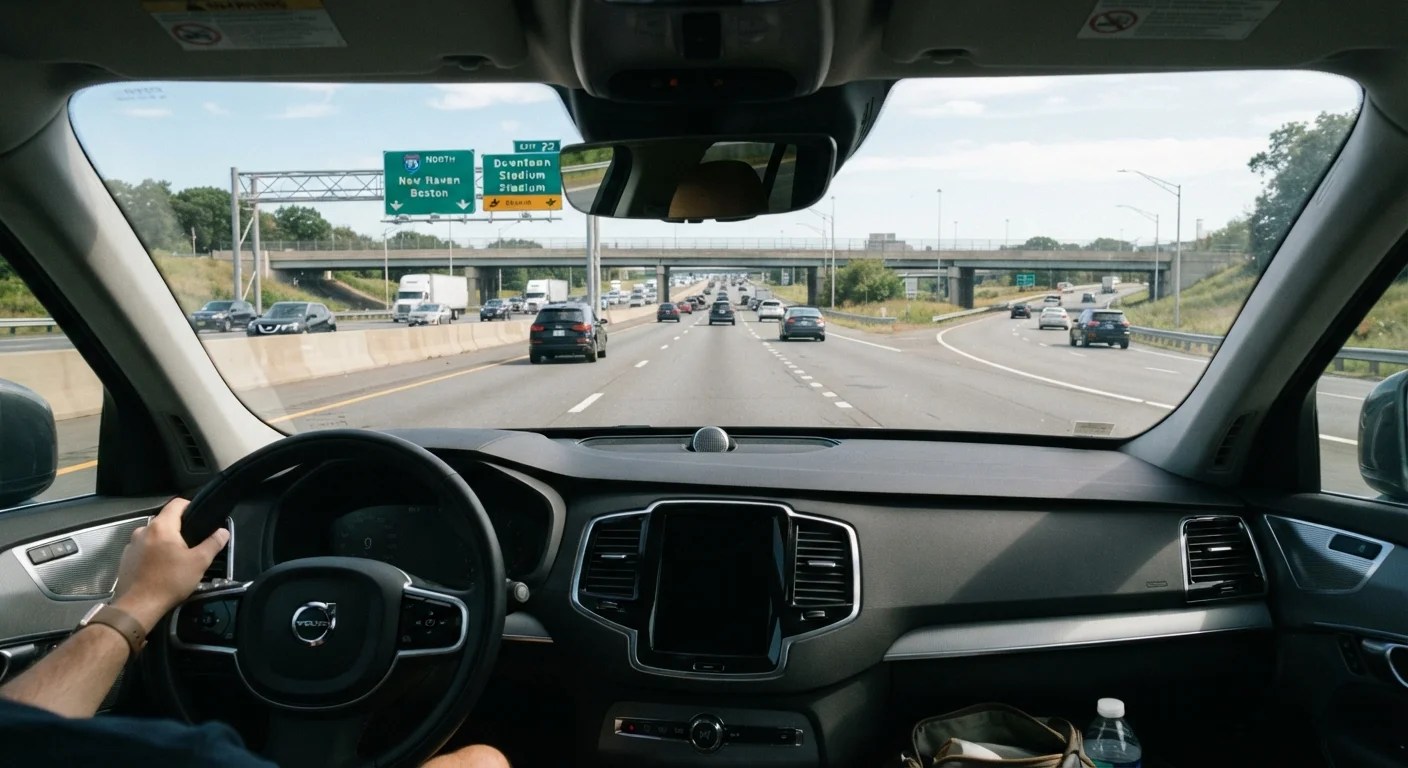
Most drivers who have been on the road for years assume experience alone makes them safer. But driving skill isn't simply accumulated seat time - it's the quality of attention applied during that time. The clearest difference between a reactive driver and a confident, capable one comes down to visual strategy: what they look at, how often, and how far ahead.
Reactive drivers fixate on the vehicle directly in front of them. Skilled drivers treat the entire road environment as information - scanning ahead, checking mirrors routinely, and building a mental picture of what's coming before it arrives. That gap in approach is what this article is about.
For a broader foundation on the mindset that supports this kind of awareness, see our guide to defensive versus aggressive driving.
Core Scanning Practices That Make the Difference
The following practices reflect what driver training research and professional instruction identify as the visual habits that separate skilled drivers from the rest. None require special equipment - just deliberate attention.
Look 12-15 seconds ahead, not just at the car in front of you.
A 12-15 second visual lead - roughly a city block at urban speeds, a quarter-mile on the highway - gives your brain time to process developing hazards before they require emergency action. Drivers who look only one or two car lengths ahead are essentially driving blind to anything beyond the immediate moment.
Check your mirrors every 5-8 seconds in a deliberate cycle.
A comprehensive picture of the road includes what's alongside and behind you, not just ahead. Regular mirror checks mean you're never surprised by a vehicle in your blind spot when you need to change lanes or brake hard.
Scan intersections before entering, not as you reach the stop line.
Intersection crashes are among the most common collision types. Cross-traffic, pedestrians, and red-light runners are visible seconds before you arrive - but only if you're looking for them in advance.
Identify your escape route before you need it.
In the seconds before a hazard forces action, drivers who have already noted the open shoulder, adjacent lane, or clear space can move there without hesitation. Drivers who haven't are more likely to brake hard or steer erratically.
Move your eyes - don't let your gaze lock onto one spot.
A fixed stare narrows your field of awareness and slows hazard recognition. Deliberately shifting your focus across the full road scene keeps your peripheral vision active and prevents tunnel vision under stress.
Read brake lights and traffic patterns several cars ahead.
Watching only the car immediately in front means you react to changes after they've already propagated through traffic. Reading multiple vehicles ahead gives you earlier warning and smoother, safer responses.
Why Your Eyes Shape Your Reactions
There's a well-established principle in vehicle control: your car tends to follow your eyes. Drivers who look far ahead naturally smooth out their steering and braking because their brain has more time to process and respond. Drivers who fixate on what's immediately in front react abruptly - which wastes stopping distance and increases crash risk.
90%
Driving decisions based on visual information
Research cited by the AAA Foundation for Traffic Safety indicates that roughly 90% of the information drivers act on is gathered visually.
88 ft/sec
Distance traveled at 60 mph per second
At highway speed, a one-second delay in hazard recognition adds nearly 90 feet to your total stopping distance before braking even begins.
This relationship between visual lead time and reaction quality is part of why stopping distances are so frequently underestimated. At 60 mph, your car travels roughly 88 feet per second. A one-second improvement in hazard detection can mean the difference between a controlled stop and a collision.
Conditions that compress your scanning range - darkness, rain, fatigue - demand a compensating adjustment in speed and following distance. See how to adapt your approach in our guide to driving in rain, snow, and fog and our piece on night driving safety.
“The key to safe driving is keeping your eyes moving - the moment you lock your gaze in one place, you've stopped driving and started staring.”
— National Safety Council, US nonprofit organization focused on workplace and road safety education
Start Applying These Habits Today
Scanning skills improve quickly once you make them deliberate. The quick wins below are practical starting points - each one reinforces a habit that compounds over time into genuine road awareness.
If you're helping a newer driver build these habits from the ground up, our complete new driver resource covers the full range of foundational skills. For those navigating high-speed environments specifically, highway driving for new drivers addresses how scanning plays out at freeway speeds.
This article is for general educational purposes. Always follow traffic laws and posted signage in your jurisdiction. Consult a certified driving instructor for personalized skill development.
The content provided on our blog site traverses numerous categories, offering readers valuable and practical information. Readers can use the editorial team’s research and data to gain more insights into their topics of interest. However, they are requested not to treat the articles as conclusive. The website team cannot be held responsible for differences in data or inaccuracies found across other platforms. Please also note that the site might also miss out on various schemes and offers available that the readers may find more beneficial than the ones we cover.