

Our Verdict
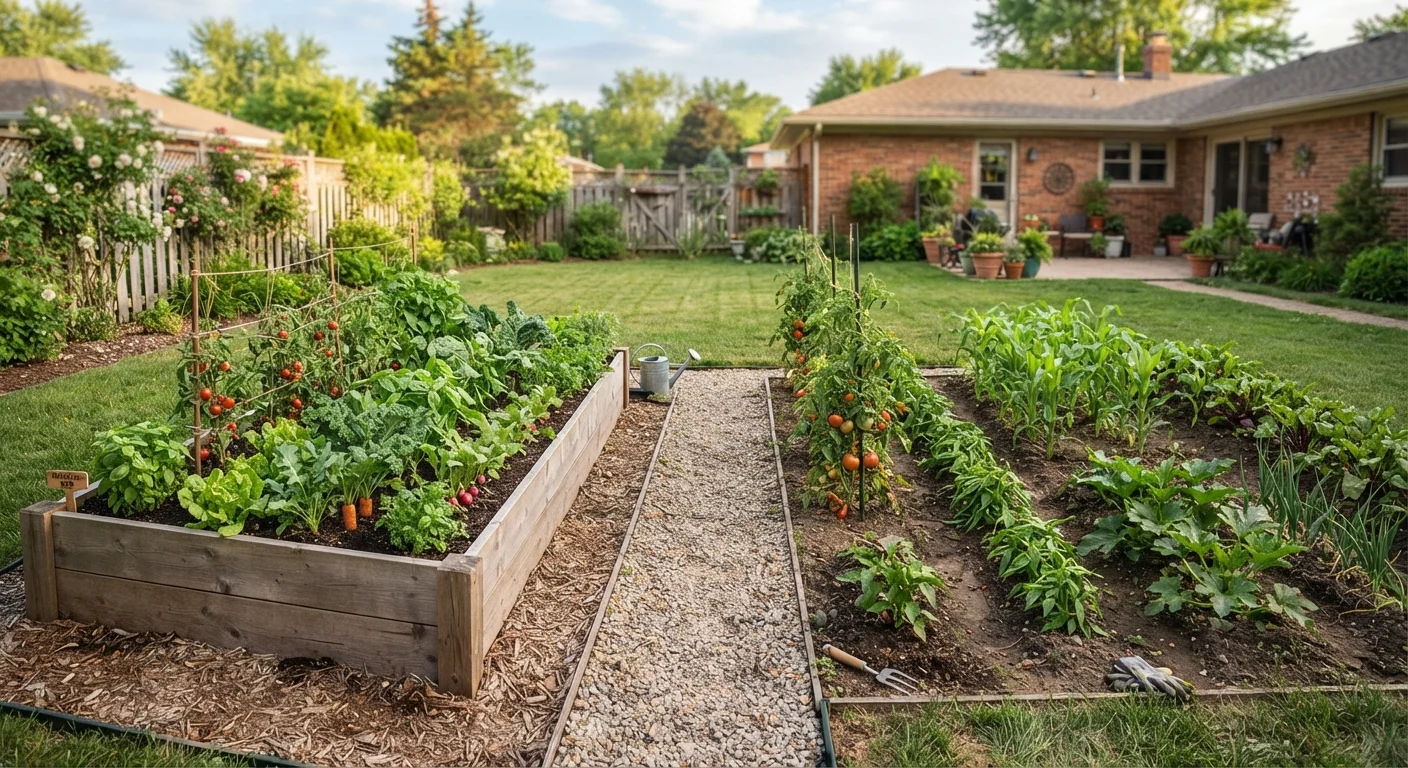
Neither raised beds nor in-ground planting wins outright - both can produce thriving gardens when set up correctly. Raised beds reward gardeners dealing with poor soil, drainage problems, or physical limitations, while in-ground plots make more practical sense for those with good native soil and larger growing ambitions. Many experienced gardeners use both approaches side by side.
| Best for | Recommended |
|---|---|
| Gardeners with poor, compacted, or contaminated native soil | Raised Beds |
| Those looking to minimize upfront costs and grow at scale | In-Ground Planting |
| Gardeners with mobility challenges or back and knee issues | Raised Beds |
| Beginners starting a simple, low-barrier vegetable garden | In-Ground Planting |
What Sets These Two Approaches Apart
The core difference is simple: raised beds sit above the natural ground in a contained frame filled with imported soil, while in-ground planting works directly with the soil your yard already has. That distinction ripples into nearly every practical consideration - drainage, cost, seasonal timing, pest management, and long-term effort.
Both methods have produced generations of productive home gardens. The right choice depends on your site conditions, physical capabilities, budget, and how much growing space you need. If you're just getting started, our beginner's guide to starting a vegetable garden covers site selection and soil building that applies to either approach.
| Raised Beds | In-Ground Planting | |
|---|---|---|
| Upfront cost | Moderate to high (frame + imported soil) | Low (minimal materials needed) |
| Soil control | Complete - you choose every ingredient | Limited by native soil quality |
| Drainage | Excellent by design | Varies with native soil |
| Season start | Earlier - soil warms 2-4 weeks faster | Later - soil takes longer to warm |
| Scalability | Constrained by frame size and cost | Easily expanded across large areas |
| Ergonomics | Less bending; height adjustable | Requires kneeling and ground-level work |
| Pest management | Easier to exclude soil-dwelling pests | More exposure to ground-level pests |
| Long-term maintenance | Soil stays loose; may need topping up | Needs periodic aeration and amendment |
Soil Quality and Drainage
Raised beds are purpose-built to solve soil problems. You fill them with a custom mix - typically a blend of topsoil, compost, and an aerating amendment like perlite - so roots encounter ideal conditions from day one. This matters enormously if your native soil is dense clay, sandy and nutrient-poor, or potentially contaminated (a real concern for urban lots near older structures).
In-ground planting works with what's there. In areas with naturally rich, loamy soil and good drainage, this is a genuine advantage - you're simply working with a resource you already have. Where soil is compacted, however, root growth and water movement both suffer. Understanding what causes compacted soil, and how to address it, is worth exploring if you go the in-ground route: see why garden soil compacts and how to fix it.
Regardless of method, mulching consistently improves soil moisture retention and structure over time. Our guide on mulching garden beds correctly explains depth, timing, and material choices.
Cost, Setup, and Maintenance
In-ground planting is the lower-cost entry point. After basic soil prep - tilling, amending with compost, and marking out rows - you can plant immediately with minimal material expense. Raised beds require purchasing or building a frame and importing enough quality soil mix to fill it, which adds up quickly for beds deeper than 10-12 inches or when building multiple units.
Ongoing maintenance patterns differ too. Raised beds stay loose and workable season after season with minimal effort because they're never walked on, but their soil can dry out faster in hot climates, requiring more attentive watering. For either setup, a well-designed irrigation approach helps. See how drip irrigation compares to sprinkler systems for vegetable gardens.
Start Small Before Committing
If you're undecided, build one 4×8 raised bed alongside a small in-ground plot and grow similar crops in both for a season. You'll get a firsthand read on how each performs in your specific yard - soil type, drainage, and sun exposure all vary by location and can't be fully predicted in advance. A single season of side-by-side comparison is often more informative than any general guide.
Season Length, Pests, and Practical Ergonomics
Raised beds warm up 2-4 weeks earlier in spring than in-ground soil - a meaningful advantage in USDA zones 5 and colder, where the frost-free window is short. The elevated, enclosed structure also deters some soil-dwelling pests and makes it straightforward to add row cover or cold frames for season extension.
In-ground beds, by contrast, support larger plantings and sprawling crops like winter squash, sweet corn, or sprawling tomato varieties that would overwhelm a typical 4×8 raised bed. They also integrate more naturally with companion planting strategies at scale.
Ergonomics matter more than gardeners often anticipate. A raised bed built to 24-30 inches high eliminates the need to kneel or bend deeply, making sustained gardening comfortable for those with back or knee limitations. Standard in-ground work requires more time at ground level - which is perfectly manageable for many gardeners but worth factoring into your plan. Avoid common misconceptions about either method; evidence-based gardening guidance can help you separate fact from folklore before committing to a setup.
The content provided on our blog site traverses numerous categories, offering readers valuable and practical information. Readers can use the editorial team’s research and data to gain more insights into their topics of interest. However, they are requested not to treat the articles as conclusive. The website team cannot be held responsible for differences in data or inaccuracies found across other platforms. Please also note that the site might also miss out on various schemes and offers available that the readers may find more beneficial than the ones we cover.