

What Slow Travel Actually Looks Like in Practice
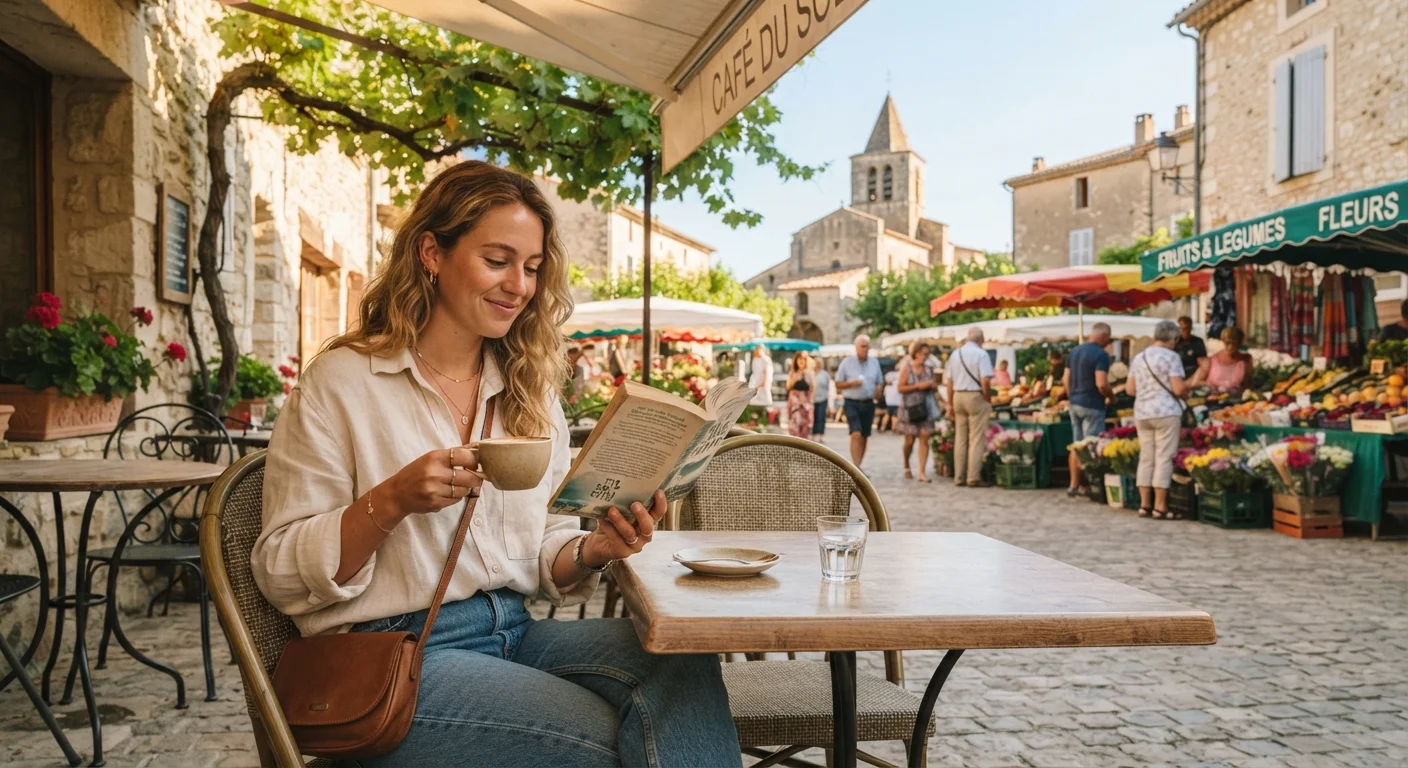
Picture a household renting an apartment in Asheville, North Carolina for three weeks instead of spending three days each in five different cities. They hit the farmers market on Saturday, find a favorite breakfast spot by day four, and actually read the books they packed. That's slow travel — not an absence of activity, but a different kind of activity.
In practice, slow travelers tend to:
- Book accommodation for weeks or months rather than nights
- Cook some meals at home rather than dining out for every meal
- Explore neighborhoods on foot rather than organizing daily group tours
- Repeat visits to places they like instead of always searching for something new
The result is less logistics overhead and more genuine familiarity with a place. If you want to think through whether this style suits your household's interests, identifying your travel personality is a useful starting point.
Start With a Two-Week Test
If your household has never tried slow travel, a two-week stay in a single destination is a practical experiment before committing to a month or longer. Book a place with a kitchen and treat at least a few days as genuinely unscheduled. You'll quickly learn whether the pace energizes or frustrates your group.
The Practical Appeal: Time, Cost, and Lower Stress
One reason slow travel has gained traction among US households is that it can reshape the economics of a trip. When you stay in one place for two to four weeks, you're often eligible for weekly or monthly rental rates that are meaningfully lower per night than short-stay prices. You also spend less on flights between cities, rental car pickups, and luggage fees.
62%
Travelers reporting vacation exhaustion on return
A widely cited figure in travel wellness research suggests a majority of travelers return home feeling they need recovery time, a key motivator behind interest in slower travel styles.
30–50%
Typical savings on nightly rate with monthly rentals
Short-term rental platforms commonly show monthly pricing discounts of this range compared to booking the same property night-by-night, though actual savings vary widely by destination and property.
Stress reduction is the other major draw. Constantly moving — packing, navigating airports, adjusting to new neighborhoods — creates a cumulative fatigue that can leave travelers feeling like they need a vacation from their vacation. Slow travel cuts that friction sharply. For families especially, fewer transitions mean fewer meltdowns and more genuine rest.
That said, slow travel isn't inherently less expensive in absolute terms. A month in a desirable destination costs more total than a five-day trip. It's worth being clear-eyed about your household's actual budget. Our savings and debt guidance hub has frameworks that can help you think through what travel spending fits your overall financial picture.
Who It Fits — and Who It Might Frustrate
Slow travel suits certain households exceptionally well. Remote workers who can log on from anywhere are natural candidates — a month in Savannah, Georgia or Santa Fe, New Mexico can feel like a life upgrade without disrupting income. Retirees with open calendars are another strong fit, as are households with very young children who don't yet have rigid school schedules.
But slow travel isn't for everyone, and pretending otherwise doesn't help. If your household thrives on variety, genuinely loves the energy of moving from city to city, and has limited annual leave, compressing a trip into a more active itinerary might deliver more satisfaction. Some people feel restless after a week in one place — that's a legitimate preference, not a failure. For guidance on building breathing room into a more traditional itinerary, see how to pace a family trip itinerary.
“Travel is not about how many places you visit — it's about how deeply you allow a place to change you. Moving fast through destinations is consuming them; staying slow is actually experiencing them.”
— Pico Iyer, Author and essayist on travel and place
The honest question is: does your household want to know a place, or see a place? Both are valid. Slow travel answers the first.
Choosing Where to Slow Down
Not every destination is equally suited to a long stay. The best slow travel locations typically offer walkable infrastructure, access to grocery stores and local markets, a variety of low-key activities that don't require preplanning, and a housing rental market with monthly options. Big tourist magnets can actually work against slow travel — if everywhere you go is packed with day-trippers, the immersive quality diminishes quickly.
Consider timing your stay around shoulder or off-peak seasons to get a more authentic experience and often better rental availability. A destination in high season feels very different from the same place a month later when locals have their city back.
If you're undecided between an urban or rural setting, the city vs. rural travel comparison can help clarify what environment actually matches your household's pace. Finally, domestic slow travel often gets overlooked — the US has an enormous range of environments that reward a longer look, and skipping international logistics can make a first slow-travel experiment easier to manage. Weighing domestic vs. international travel lays out those trade-offs clearly.
Frequently Asked Questions
There's no fixed rule, but slow travelers commonly stay at least one to four weeks in a single location. Some stay for a full month or season. The goal is enough time to settle into daily rhythms rather than just sightseeing.
It can be, but not automatically. Longer stays often allow for lower nightly rates through weekly or monthly rentals, and you spend less on constant transit. However, a longer trip total may still cost more overall even at a lower daily rate.
Yes, though it requires planning around school schedules. Some families time slow trips around summer breaks or extended school holidays. Others who homeschool or travel with remote-learning arrangements have more flexibility.
Mid-size cities with walkable neighborhoods, college towns, coastal communities, and national park gateway towns are popular domestic choices. Availability of short-term rentals and local amenities matters more than the destination's fame.
Absolutely. Many slow travelers choose a single country or region and settle into one or two cities rather than hopping across borders. Visa rules for long stays vary by country, so verify requirements well ahead of travel.
A long vacation might still follow a packed itinerary across many destinations. Slow travel is distinguished by intentionally staying put — leaning into local routines, cooking at home, visiting the same café, and skipping the must-see checklist mentality.
The content provided on our blog site traverses numerous categories, offering readers valuable and practical information. Readers can use the editorial team’s research and data to gain more insights into their topics of interest. However, they are requested not to treat the articles as conclusive. The website team cannot be held responsible for differences in data or inaccuracies found across other platforms. Please also note that the site might also miss out on various schemes and offers available that the readers may find more beneficial than the ones we cover.