

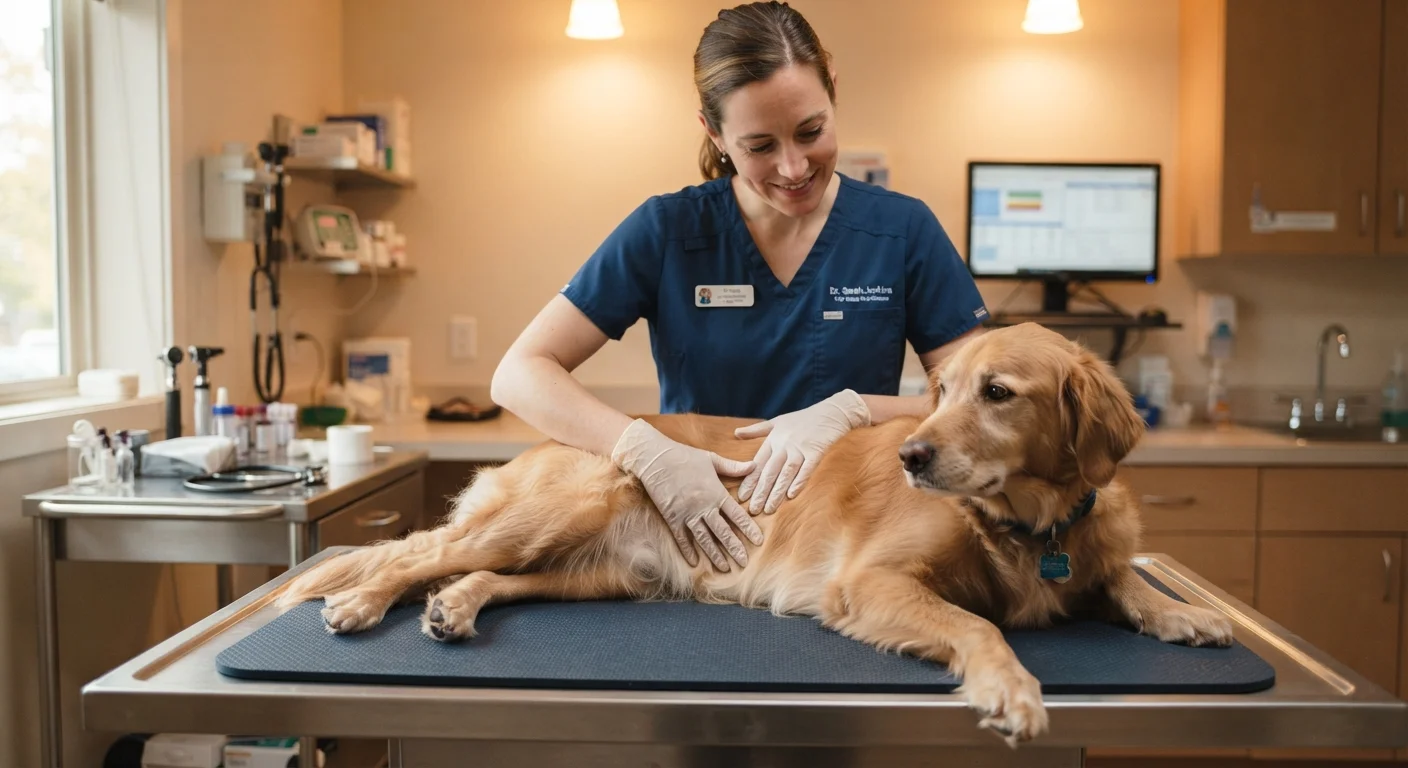
Why Pets Rarely Signal Pain the Way We Expect
Animals are wired to conceal vulnerability — a survival instinct inherited from wild ancestors for whom appearing weak meant becoming prey. Dogs and cats, even in safe domestic environments, often suppress obvious signs of pain until discomfort becomes severe. This makes owner observation critical, because the signals tend to be subtle and easy to attribute to "just getting older" or a "bad day."
Understanding what pain actually looks like in pets — and what veterinarians specifically assess during an exam — gives you a clearer picture of when a trip to the clinic is warranted. See our companion guide on commonly missed pain signals for an expanded look at subtle cues that owners frequently overlook.
| Primary pain masking species | Cats, rabbits, prey animals (most extreme masking); dogs show more signs but still suppress (Established veterinary behavioral research) |
| First visible sign category | Behavioral change (withdrawal, appetite loss, altered activity) (American Animal Hospital Association pain guidelines) |
| Pain grimace scales available for | Cats, rabbits, rats, horses, sheep, and others (Published peer-reviewed veterinary literature) |
| Human OTC pain meds safe for pets | None — ibuprofen and acetaminophen are toxic to cats and dogs (ASPCA Animal Poison Control) |
| When to contact a vet | Any behavioral or physical change persisting more than 24–48 hours (General veterinary clinical guidance) |
| Veterinary assessment method | Combination of owner history, physical palpation, gait analysis, and vital signs |
Behavioral Changes That Suggest Pain
Pain almost always changes behavior before it produces visible physical signs. Key behavioral indicators include:
- Withdrawal or hiding: A normally social pet that retreats under furniture or to isolated spots is often self-protecting.
- Decreased activity or reluctance to move: Hesitation before jumping, climbing stairs, or rising from rest can indicate musculoskeletal discomfort — particularly relevant in senior pets managing age-related changes.
- Aggression or irritability: A pet that growls, hisses, or snaps when touched in a particular area is communicating that touch hurts, not that they've developed a new personality flaw.
- Changes in appetite or water intake: Pain — especially abdominal or dental pain — commonly suppresses eating.
- Excessive grooming or licking of one spot: Focused licking often marks the location of localized pain or irritation.
- Altered vocalization: Whimpering, howling, or unusual silence can both indicate distress. Cats in particular may become very quiet when painful.
Behavioral changes are among the first things a veterinarian will ask about, which is why keeping brief notes at home is valuable. Our guide on preparing for a vet visit explains how to document and communicate these observations effectively.
Physical Signs Vets Assess for Pain
During a physical examination, veterinarians evaluate several objective indicators that owners may not easily detect at home:
Pain grimace scale
A validated clinical tool used by veterinarians to assess pain in animals based on facial expressions, including eye squinting, ear position, and whisker tension. Separate scales have been developed for cats, rabbits, horses, and other species.
Palpation
A hands-on examination technique in which a veterinarian applies pressure to areas of the body to detect tenderness, swelling, or abnormal tissue. A pain response during palpation helps localize discomfort.
Guarding
A physical response in which an animal tenses muscles or shifts posture to protect a painful area from contact. Guarding is an involuntary signal that veterinarians look for during examination.
Musculoskeletal pain
Discomfort originating from muscles, bones, joints, or connective tissues. In pets, this often presents as stiffness, limping, or reluctance to climb, jump, or rise from rest.
- Posture and gait: An arched back, hunched stance, or asymmetric limb loading often indicates pain in the spine, abdomen, or limbs.
- Facial expression: Research has led to the development of pain grimace scales for cats, rabbits, and other species. Vets look for squinted eyes, flattened ears, and whisker changes.
- Muscle tension and guarding: Palpation (hands-on pressure) along the spine and abdomen can reveal muscle rigidity or flinching that the pet can't disguise.
- Respiratory changes: Rapid, shallow breathing at rest — without exertion — is a pain indicator across many species.
- Heart rate and blood pressure: Acute pain often elevates heart rate and blood pressure, both measurable during examination.
Because pain assessment in animals relies on indirect evidence, veterinarians combine owner-reported history with these physical findings to reach a clinical picture. Conditions like obesity can compound pain and complicate assessment — learn how excess weight affects your pet's health.
When to Contact Your Veterinarian
Any notable change in your pet's behavior, movement, appetite, or temperament that persists for more than 24–48 hours warrants a call to your veterinarian. Do not wait for symptoms to become obvious — early evaluation gives practitioners more options.
Contact a vet promptly if your pet shows:
- Inability to stand, walk, or bear weight on a limb
- Crying out or vocalizing without an apparent trigger
- Visible swelling, wounds, or deformity
- Sudden, complete loss of appetite combined with lethargy
- Labored breathing or open-mouth breathing (especially in cats)
Never administer human pain medications such as ibuprofen or acetaminophen to pets — these are toxic to cats and dogs. Only use medications prescribed or approved by your veterinarian for your specific animal.
Understanding your pet's normal baseline — their usual energy, eating habits, and body language — makes it far easier to spot meaningful deviations. Consistent daily observation is one of the most practical things any owner can do. For a broader look at proactive home care, see common home care mistakes between vet visits.
This article is for general informational purposes only and does not constitute veterinary medical advice. Always consult a licensed veterinarian for concerns about your pet's health, pain, or medical treatment.
The content provided on our blog site traverses numerous categories, offering readers valuable and practical information. Readers can use the editorial team’s research and data to gain more insights into their topics of interest. However, they are requested not to treat the articles as conclusive. The website team cannot be held responsible for differences in data or inaccuracies found across other platforms. Please also note that the site might also miss out on various schemes and offers available that the readers may find more beneficial than the ones we cover.