

Our Verdict
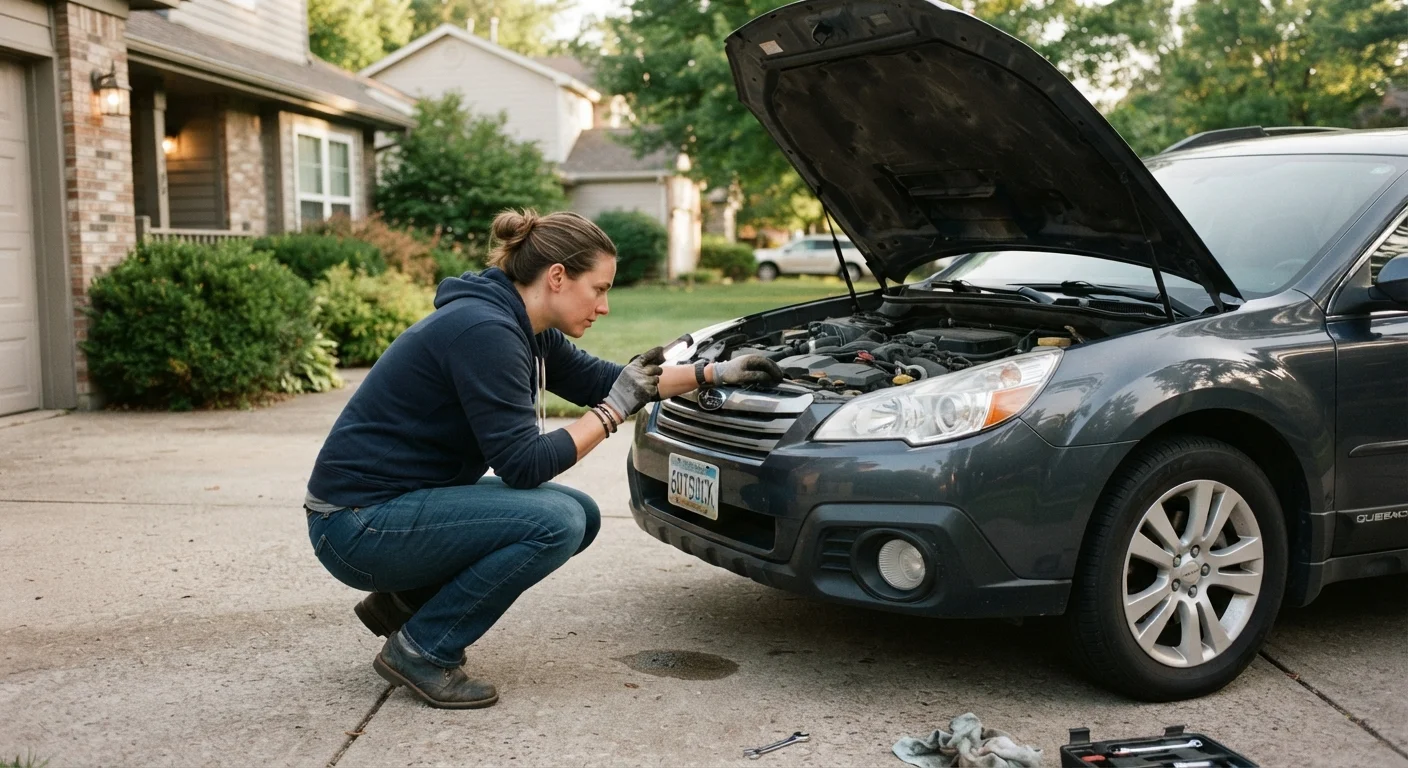
DIY car maintenance makes genuine sense for routine, low-risk tasks - air filters, wiper blades, cabin filters, tire pressure checks - where the stakes are low and the skills required are minimal. For anything touching braking, suspension, fuel systems, or airbags, the safety math tips firmly toward professional service. Matching the task to your actual skill level and tools, not your confidence level, is what keeps DIY worthwhile.
Drivers comfortable with basic mechanical work who want to reduce routine maintenance costs and stay more engaged with their vehicle's condition - without tackling jobs that carry genuine injury or damage risk.
Why the DIY Question Matters for Everyday Drivers
Labor costs make up a substantial share of most shop invoices. For straightforward maintenance items, paying a shop can mean spending $50-$80 for a job that takes 10 minutes and $15 in parts. That math is hard to ignore. But the flip side is real: attempting a repair beyond your tools or skill set can turn a minor issue into an expensive fix - or worse, a safety problem on the road.
The honest answer isn't "do everything yourself" or "always use a shop." It's about reading the task clearly. See our guide to reading your owner's manual maintenance schedule for a good starting point - your vehicle's manufacturer has already sorted tasks by interval and complexity.
Reduces routine maintenance costs meaningfully
Labor charges at independent shops typically run $80-$120 per hour. Handling simple jobs yourself eliminates that cost entirely for tasks that take 10-20 minutes.
Builds familiarity with your vehicle
Drivers who regularly check fluids, filters, and tires tend to notice early warning signs - unusual smells, sounds, or fluid levels - before they escalate into costly repairs.
Tasks can be done on your schedule
You're not waiting for a shop appointment or a loaner vehicle. For simple items, this convenience alone makes DIY appealing to time-pressed households.
Low-risk tasks have a minimal downside
For jobs like wiper blade swaps or air filter replacements, even a mistake is easily corrected and unlikely to cause damage or injury.
Maintenance Tasks That Are Genuinely DIY-Friendly
Several routine jobs require no special equipment and carry minimal risk if done incorrectly - meaning the worst outcome is usually inconvenience, not danger.
- Air filter replacement: Engine and cabin air filters are typically accessible without tools and clip or slide into place. Most owners can handle this in under 15 minutes.
- Wiper blade replacement: Blades clip onto the wiper arm. Most auto parts stores will even walk you through it if you bring the packaging in.
- Tire pressure checks: A basic digital gauge costs a few dollars and checking pressure takes two minutes. This is one of the highest-impact habits any driver can build - underinflated tires affect fuel economy, handling, and tread life.
- Battery terminal cleaning: Corrosion on terminals can cause starting problems. Cleaning them with a wire brush and baking soda solution is low-risk when the car is off and you follow basic precautions.
- Checking and topping off fluids: Windshield washer fluid is zero-risk. Coolant, power steering, and brake fluid reservoirs are visible and labeled - checking levels is fine, though understanding why a fluid is low matters more than simply topping it off. See what fluid leaks can tell you if levels keep dropping.
Where DIY Gets Risky - and Why the Line Matters
Some jobs look approachable but carry real consequences when done incorrectly. The risk isn't just to the car - it's to the people in it and on the road around it.
Safety-critical systems require professional precision
Brakes, steering, and suspension directly affect how the vehicle stops and handles. Errors in these systems can compromise safety without immediately obvious symptoms.
Incorrect repairs can cost more than professional service
A stripped drain plug, over-tightened caliper bolts, or a misrouted belt can turn a routine job into an expensive shop visit - often costing more than the original professional repair would have.
Modern vehicles add complexity
Many late-model vehicles have electronics, sensors, and tight engine bays that complicate jobs once considered simple. Some require diagnostic tools to complete the repair properly.
Improper repairs may void warranty coverage
Work that doesn't meet manufacturer specifications or uses non-approved parts can, in some cases, affect powertrain or component warranties - check your coverage terms before starting.
Brake work sits at the top of this list. Replacing brake pads involves compressing the caliper piston, correctly seating the pads, and ensuring even contact with the rotor. Done wrong, braking performance is compromised - often in ways you won't notice until you need to stop fast. For a full picture of brake warning signs, this piece on brake maintenance explains what symptoms to take seriously.
Suspension and steering components - ball joints, tie rods, control arms - affect how the vehicle handles and responds. Improper installation can cause handling instability or component failure. These jobs typically require a lift, torque wrench, and alignment equipment that most home garages don't have.
Airbag system work is a category to avoid entirely without professional training. Accidental deployment can cause serious injury, and tampering with restraint systems has legal implications in most states.
The Middle Ground: Jobs Worth Learning With Guidance
Some tasks fall between the clearly easy and clearly dangerous. Oil changes are the classic example - mechanically simple but requiring proper disposal of used oil, a drain plug torqued correctly, and the right filter for your engine. Done carefully, it's a reasonable DIY job for someone willing to learn. Understanding what engine oil actually does can help you decide whether you want to take this one on.
Before You Start Any DIY Job
Confirm the task against your owner's manual - not just a generic online tutorial. Vehicle-specific torque specs, fluid types, and access points vary widely across makes and model years. Using the wrong spec on a fastener or the wrong fluid grade can create new problems. When in doubt, a quick call to a trusted shop for guidance costs nothing.
Spark plug replacement, battery swaps on most (not all) modern vehicles, and replacing exterior bulbs on vehicles with accessible housings also fall into learnable territory - but always check your owner's manual first, since some modern designs make these jobs unexpectedly complicated.
Whatever you do yourself, document it. A running vehicle maintenance log gives mechanics context when something goes wrong and adds transparency if you sell the car.
The content provided on our blog site traverses numerous categories, offering readers valuable and practical information. Readers can use the editorial team’s research and data to gain more insights into their topics of interest. However, they are requested not to treat the articles as conclusive. The website team cannot be held responsible for differences in data or inaccuracies found across other platforms. Please also note that the site might also miss out on various schemes and offers available that the readers may find more beneficial than the ones we cover.