

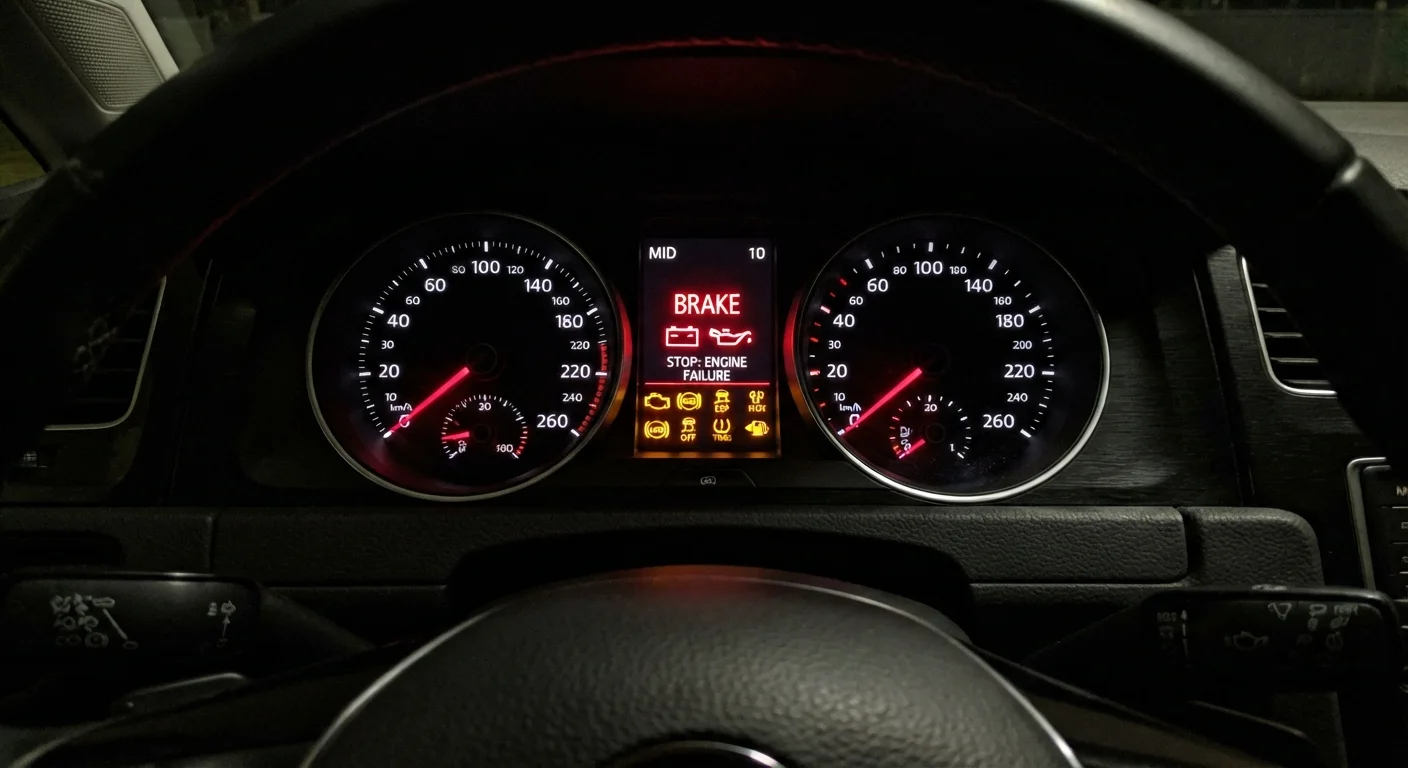
Why Dashboard Warning Lights Exist
Modern vehicles are equipped with onboard diagnostic systems that continuously monitor dozens of components - from the engine and transmission to tire pressure and seatbelt sensors. When something falls outside expected parameters, the system triggers a warning light on your dashboard. Ignoring these signals is one of the most common - and costly - mistakes drivers make.
Not every light demands an immediate U-turn to the nearest shop, but none should be ignored indefinitely. Understanding the difference between "check this soon" and "stop the car now" is practical knowledge every driver needs.
The Most Common Warning Lights, Explained
Check Engine Light (CEL)
The most misunderstood light on the dashboard. A steady amber check engine light means the engine management system has logged a fault code - anything from a loose gas cap to a failing oxygen sensor. A flashing check engine light, however, signals an active misfire that can damage your catalytic converter. Pull over safely and have it diagnosed promptly. A mechanic can read the stored fault code with an OBD-II scanner to pinpoint the issue.
Oil Pressure Warning
This red light - often shaped like an oil can - means your engine is not receiving adequate oil pressure. Stop driving as soon as it is safe to do so. Running an engine with low oil pressure can cause catastrophic internal damage within minutes. Check the oil level; if it's fine, the problem may be a failing oil pump or a leak. Do not restart the vehicle until a qualified mechanic has assessed it. For leak diagnostics, see our guide to fluid leaks.
Temperature Warning
A red thermometer icon means your engine is overheating. Turn off the A/C, pull over, and let the engine cool before opening the hood. Never remove a radiator cap on a hot engine. Causes include low coolant, a failing thermostat, or a broken water pump.
Battery / Charging System
An amber or red battery symbol indicates the charging system isn't maintaining proper voltage. This could be a failing alternator, a loose serpentine belt, or a dying battery. You may have limited driving time before the engine stalls. Reduce electrical load and head to a shop.
Tire Pressure Monitoring System (TPMS)
The TPMS light - a cross-section of a tire with an exclamation mark - illuminates when one or more tires fall significantly below the recommended pressure. Underinflated tires reduce fuel economy, handling, and tire lifespan. Check pressures manually with a gauge; digital readouts in the dash are helpful but not always precise. For a deeper dive into tire specs, see our tire sidewall decoding guide.
Brake System Warning
If this light appears with the parking brake fully released, it may indicate low brake fluid or a hydraulic fault. Brakes are safety-critical - have the system inspected immediately. Do not delay.
OBD-II
On-Board Diagnostics II - a standardized system fitted to all US vehicles sold after 1996 that monitors engine and emissions performance and stores fault codes readable by a diagnostic scanner.
TPMS
Tire Pressure Monitoring System - sensors in each wheel that alert the driver when tire pressure drops to an unsafe level, required on US passenger vehicles since model year 2008.
Catalytic Converter
An emissions control device in the exhaust system that converts harmful combustion gases into less harmful outputs. Engine misfires can overheat and permanently damage it.
Alternator
A generator driven by the engine's serpentine belt that recharges the battery and powers the vehicle's electrical systems while the engine is running.
Fault Code (DTC)
A Diagnostic Trouble Code stored by the vehicle's computer when a sensor reading falls outside acceptable limits. A mechanic's OBD-II scanner retrieves these codes to diagnose the root cause.
When to Act Immediately vs. Schedule Service
A useful rule of thumb: red lights generally mean stop or act now; amber lights mean schedule service soon. Here's how to triage:
- Stop immediately: Oil pressure, engine temperature, brake system (with pedal changes), or any red light accompanied by unusual sounds, smells, or handling changes.
- Service within 1-2 days: Battery/charging, a steady check engine light, TPMS (if pressure checks don't resolve it).
- Schedule at next convenience: Service reminders (wrench icon), maintenance due lights, or lights that appeared only once and haven't returned.
Before a long trip, a proactive check of these systems is wise. Our pre-road-trip vehicle inspection checklist walks through what to verify before hitting the highway. And if you're evaluating a used vehicle, check whether past warning-light events were addressed - a vehicle history report can surface prior service and diagnostic records.
Some warning lights can be temporarily triggered by conditions like a cold start or a recent fuel fill-up. If a light appears once and immediately clears, note it and monitor. If it returns, get it checked. For tasks you're considering handling yourself, consult our guide on DIY car maintenance to understand where the safety limits lie.
Your Owner's Manual Is the Definitive Reference
Warning light symbols and their meanings can vary between manufacturers and model years. While the icons described here follow common conventions, always consult your vehicle's owner's manual for the exact meaning of any light on your specific dash. Most manuals include a dedicated warning light section with color-coded urgency guidance.
The content provided on our blog site traverses numerous categories, offering readers valuable and practical information. Readers can use the editorial team’s research and data to gain more insights into their topics of interest. However, they are requested not to treat the articles as conclusive. The website team cannot be held responsible for differences in data or inaccuracies found across other platforms. Please also note that the site might also miss out on various schemes and offers available that the readers may find more beneficial than the ones we cover.