

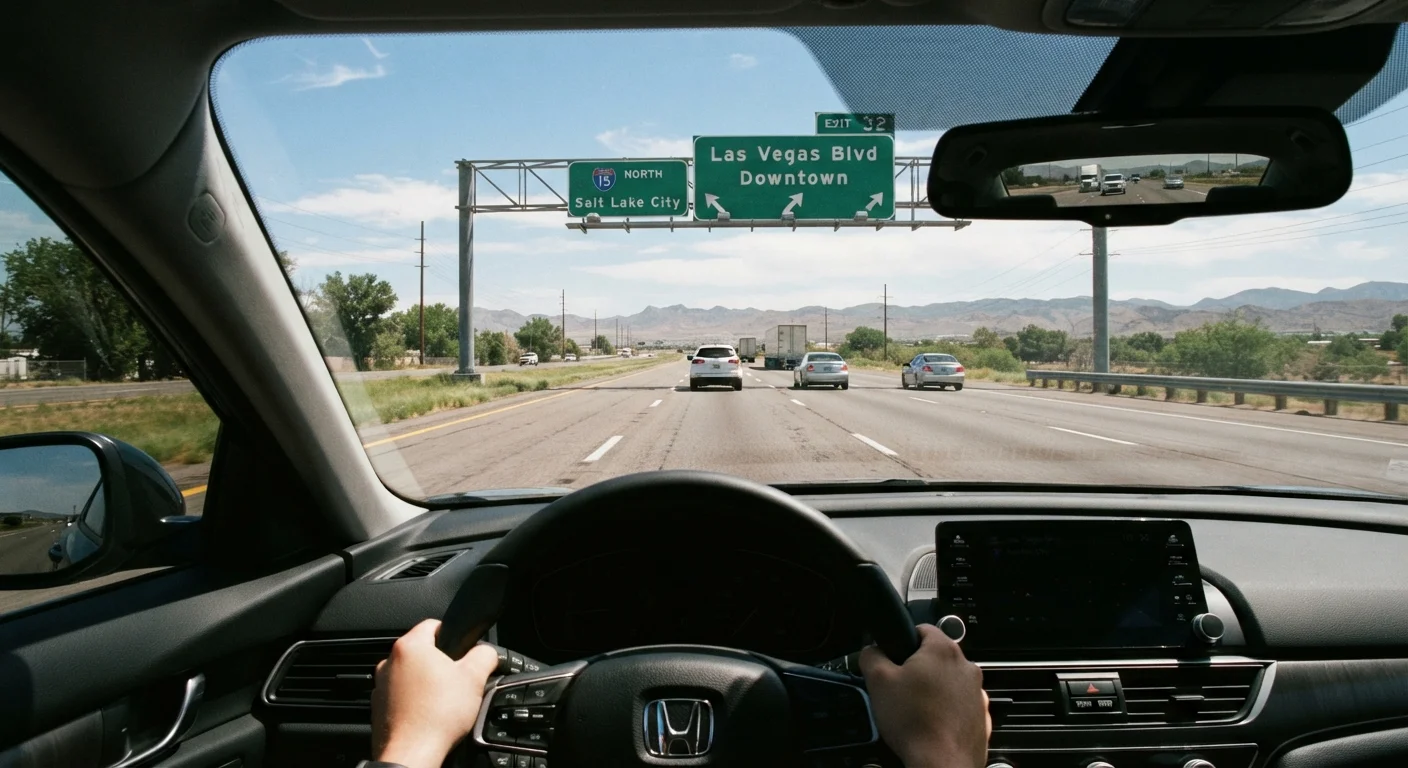
Why the Highway Feels Different
For most new drivers, city streets and neighborhood roads feel manageable. The highway is another matter. Speeds are higher, lanes are wider, vehicles are larger, and the margin for error feels razor-thin. That anxiety is normal - but it's mostly a reaction to unfamiliarity, not to genuine unmanageability.
The fundamentals of highway driving are the same as any other road: control your speed, maintain space around your vehicle, communicate your intentions, and stay alert. What changes is the pace at which those fundamentals need to be applied. This guide walks you through each stage of a highway trip - from the on-ramp to the exit - so you know exactly what to expect and what to do.
Before your first solo highway run, it's worth doing a vehicle walkthrough. See our pre-trip safety checklist to build that habit into every drive. And if you're a teen driver navigating graduated license restrictions, check the graduated license system guide for rules that may affect when and with whom you can drive on highways.
What you will need
Step-by-Step: From On-Ramp to Exit
Follow these steps every time you enter a highway. Over time they become automatic - that's the goal.
Check traffic and plan your route before you leave
Know which highway you're taking, which exit you need, and roughly how far it is before you pull out of the driveway. A clear mental picture of your route means you won't be reading signs in a panic at 65 mph. If you're using navigation, set it up while parked.
Use the on-ramp to match highway speed
The on-ramp exists so you can accelerate to highway speed before you merge - not after. Aim to reach the speed of traffic already on the highway by the time you reach the end of the ramp. Entering at 40 mph when traffic is moving at 65 mph forces vehicles behind you to brake suddenly.
Check your mirrors and your blind spot (the area to your left rear that mirrors don't fully cover) while still on the ramp so you can identify a gap to merge into.
Merge smoothly into the right lane
Signal your intent early - at least three to five seconds before you move. Pick a gap in traffic that gives you a comfortable buffer ahead and behind. Ease into the lane gradually rather than cutting sharply. Once in the right lane, match the flow of traffic and cancel your signal.
For a deeper look at merging rules and right-of-way, see our plain-language guide to merging and yielding.
Maintain a safe following distance and steady speed
Set your speed to match surrounding traffic, staying within the posted limit. Keep three to four seconds of space ahead of your vehicle. Avoid frequent braking and acceleration - smooth, consistent inputs are easier on your car and less disruptive to traffic flow behind you.
Check your mirrors every five to eight seconds so you always know what's happening in the lanes around you.
Change lanes only when necessary
On the highway, every lane change is a moment of increased risk. Change lanes to pass a slower vehicle, to position yourself for your exit, or to allow merging traffic to enter safely. Signal, check your mirrors, check your blind spot, and move gradually. Don't weave between lanes or accelerate aggressively through gaps.
Identify your exit and begin positioning early
Highway exit signs typically appear one mile and then half a mile before the ramp. Start moving toward the right lane at least one mile before your exit - not as the sign flashes past. Signal early, check mirrors and blind spot, and ease toward the exit ramp gradually. Slow down on the ramp, not before it.
Practice With a Supervisor First
Your first few highway experiences will be far less stressful with an experienced driver in the passenger seat. Ask them to narrate what they're observing - it reinforces good habits faster than solo trial and error. Many driving schools also offer highway-specific lessons if you want structured coaching.
Lane Discipline and Following Distance
Once you're on the highway, two habits separate safe drivers from risky ones: staying in the right lane and keeping enough space ahead of you.
Right lane as your default. The right lane is where you belong unless you are actively passing a slower vehicle. Cruising in the left lane blocks faster traffic and is illegal in many US states. For a full breakdown of lane rules and etiquette, read our explainer on what the left lane is actually for.
Three-to-four second following distance. Pick a fixed landmark - an overpass, a sign - and count the seconds between when the vehicle ahead passes it and when you do. At highway speeds, aim for at least three seconds in dry conditions; four or more in rain, fog, or heavy traffic. This buffer gives you time to react to sudden braking.
Reading the road ahead. Experienced drivers don't just watch the bumper in front of them - they scan well ahead, tracking brake lights, merging vehicles, and lane shifts before they become emergencies. Our guide on scanning the road ahead explains the visual strategy in detail.
Tailgating Is the Top Highway Risk
Following too closely is consistently cited as a leading factor in rear-end collisions on US highways. At 65 mph your vehicle travels roughly 95 feet per second - a three-second gap gives you about 285 feet to react and stop. Reducing that gap dramatically cuts your reaction margin. If someone is tailgating you, ease right and let them pass rather than speeding up or braking to signal frustration.
Weather is another variable that changes everything on a highway. Rain reduces tire grip and visibility far more at 65 mph than at 30 mph. For specific techniques, see our piece on driving in rain, snow, and fog.
The content provided on our blog site traverses numerous categories, offering readers valuable and practical information. Readers can use the editorial team’s research and data to gain more insights into their topics of interest. However, they are requested not to treat the articles as conclusive. The website team cannot be held responsible for differences in data or inaccuracies found across other platforms. Please also note that the site might also miss out on various schemes and offers available that the readers may find more beneficial than the ones we cover.